
Categories
Corporate Relocation Domestic Relocation Global Mobility Relocation Best Practices Relocation Challenges

Relocation Expense Management Without Hurting the Candidate Experience

As organizations compete for talent across regions and borders, managing relocation expenses has become a growing priority for HR and talent teams. Rising housing prices, higher travel fees, and more complex international moves have pushed relocation costs to levels never seen before. At the same time, candidates expect relocation benefits that feel supportive, transparent, and fair.

How companies offer and manage relocation packages directly affects whether relocated employees feel confident accepting an offer—or hesitant about the disruption ahead. The challenge is clear: control talent mobility costs and employee transfer costs without damaging the candidate experience.

Why the Candidate Experience Matters for Relocated Employees

Relocation is one of the most disruptive moments in an employee’s career. Relocated employees are often balancing new roles with family logistics, financial uncertainty, and emotional stress. This is especially true for short-term assignments or international moves, where timelines are compressed, and expectations are high.

When relocation expenses are poorly communicated or moving expenses feel restrictive or delayed, frustration builds quickly. A negative relocation experience can lead to offer declines, slower onboarding, or early turnover. In contrast, a well-managed relocation process reinforces trust and shows that the organization values its people.

What Relocation Packages Include—and Why It Matters

To manage relocation costs effectively, it’s critical to understand what relocation packages include and how those benefits are delivered. Common relocation packages include moving expenses, temporary housing, travel costs, destination services, and reimbursement support. For international moves, this may also include immigration coordination, tax assistance, and cultural support.

While these benefits can drive up employee transfer costs, a lack of structure often leads to overspending. Organizations frequently incur higher talent mobility costs not because benefits are too generous, but because policies lack consistency, visibility, and controls.

Managing Short Term and Long-Term Relocation Costs

Short-term assignments require a different approach than permanent relocations. Without clear policy guardrails, short-term relocations can quickly exceed budget due to extended temporary housing or untracked moving expenses.

By aligning benefits to assignment length, role level, and business need, companies offer smarter relocation solutions that balance flexibility with cost control. Clear caps, pre-approved vendors, and defined reimbursement processes help manage relocation expenses while still supporting employee choice.

Transparency Reduces Friction—and Controls Costs

One of the most effective ways to protect the candidate experience while managing relocation costs is transparency. Candidates want to know upfront what expenses are covered, how reimbursements work, and when payments will be issued.

Clear communication around relocation packages reduces confusion and minimizes out-of-policy claims. When relocated employees understand expectations, organizations often see lower overall moving expenses and fewer last-minute exceptions that increase employee transfer costs.

Technology and Expertise Support Better Outcomes

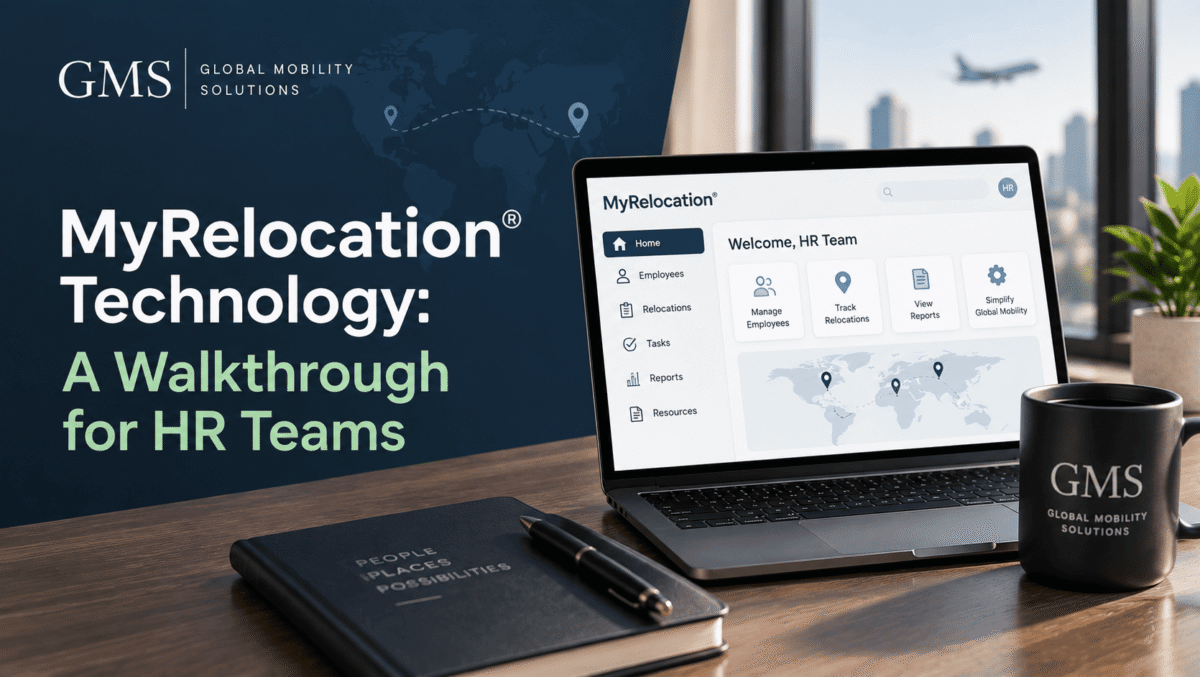
Manually managing relocation expenses increases administrative burden and introduces risk. Technology-enabled platforms provide real-time visibility into relocation costs, approval workflows, and reporting—helping HR teams manage talent mobility costs more effectively.

Partnering with an experienced mobility provider is equally important, particularly for international moves. Expert partners help organizations benchmark relocation expenses, manage compliance, and identify savings opportunities, all while supporting relocated employees through a complex transition.

Measuring the Full Impact of Relocation Expenses

Effective relocation expense management goes beyond reducing costs. Organizations should evaluate metrics such as candidate satisfaction, time-to-productivity, policy compliance, and long-term retention.

By measuring these outcomes alongside relocation costs, HR leaders gain a clearer view of how employee transfer costs impact both business performance and the employee experience. This insight supports smarter program design and more sustainable mobility strategies.

A People-First Approach to Relocation Expense Management

Managing relocation expenses does not mean sacrificing empathy. When companies offer clearly defined relocation packages, transparent communication, and expert support, relocated employees feel valued and supported.

At GMS, we believe relocation expense management should strengthen the candidate experience—whether supporting short-term assignments or complex international moves. With the right strategy, organizations can control relocation and talent mobility costs and deliver relocation programs that work for both the business and its people.

Categories
Corporate Relocation Domestic Relocation Global Mobility Global Relocation Relocation Best Practices Relocation Programs

Domestic vs. International Employee Relocation: What Employers Need to Know

As organizations compete for talent across cities, countries, and continents, employee relocation has become a critical component of workforce strategy. While domestic and international relocations share the same goal—supporting a successful transition for employees—the complexity, costs, and risks involved can differ significantly. For HR and talent mobility teams, understanding these differences is essential to building programs that are compliant, cost-effective, and employee-centric.

Understanding Domestic Employee Relocation

Domestic relocation typically involves moving an employee within the same country. While it may seem straightforward, domestic moves still require careful planning and coordination to ensure a positive employee experience and minimal business disruption. Common considerations include household goods transportation, temporary housing, home sale and purchase assistance, travel expenses, and family support services.

From an employer’s perspective, domestic relocations generally involve fewer regulatory hurdles and shorter timelines than international moves. However, costs can still add up quickly, especially in competitive housing markets or when multiple benefits are bundled into a single policy. Clear guidelines, realistic budgets, and consistent communication are key to keeping domestic relocation programs efficient and equitable.

What Makes International Relocation More Complex

International employee relocation introduces an entirely new layer of complexity. In addition to physical moving logistics, employers must navigate immigration requirements, tax compliance, currency differences, cultural integration, and local labor laws. Visa processing, work permits, and compliance timelines can significantly impact start dates and project planning.

International moves also require a stronger focus on employee and family support. Cultural training, language assistance, destination services, schooling guidance, and spousal support often play a major role in assignment success. Without these resources, employees may struggle to adapt, increasing the risk of assignment failure or early repatriation.

Key Cost Differences Employers Should Expect

While domestic relocation costs are often more predictable, international relocation expenses tend to be higher and less standardized. International moves may include shipping household goods overseas, extended temporary living, tax gross-ups, relocation allowances, and ongoing assignment support. Employers must also account for fluctuating exchange rates and country-specific costs that can affect overall budgets.

Both types of relocation benefit from proactive cost management and transparency. Employers that clearly define benefits, leverage trusted service providers, and track expenses consistently are better positioned to control costs while maintaining a strong employee experience.

Compliance and Risk Management Considerations

Compliance is a critical differentiator between domestic and international relocation. Domestic moves typically involve state or regional regulations, while international relocations require adherence to immigration laws, tax treaties, and employment regulations in multiple jurisdictions. Failure to address these requirements can result in fines, delays, or reputational risk.

Partnering with experienced mobility professionals helps HR teams mitigate risk, stay compliant, and adapt policies to evolving regulations—especially for international assignments.

Choosing the Right Mobility Approach

Whether relocating employees domestically or internationally, the most successful programs are flexible, scalable, and tailored to business needs. Employers should consider the role, destination, duration, and employee profile when determining the appropriate level of support. A one-size-fits-all approach rarely delivers optimal results.

By understanding the differences between domestic and international employee relocation, HR and talent teams can design mobility programs that support growth, manage risk, and enhance the overall employee experience—no matter where opportunity takes their workforce.

Categories
Corporate Relocation Corporate relocation tips Domestic Relocation Domestic Relocation Tips Global Mobility Global Relocation Tips Relocation Best Practices Relocation Challenges Talent Mobility

The Ultimate Talent Mobility Checklist for HR and Talent Teams

Talent mobility is one of the most complex and high-impact responsibilities HR and talent teams manage. Beyond moving employees from one location to another, talent mobility affects compliance, cost control, employee experience, and long-term retention. Without a structured approach, even well-designed mobility programs can lead to delays, unexpected costs, and employee dissatisfaction.

A comprehensive talent mobility checklist gives HR and talent leaders a repeatable framework to manage every phase of the move. Whether supporting a single domestic transfer or overseeing a global mobility strategy, a clear roadmap helps ensure consistency, reduce risk, and deliver a positive employee experience.

Pre-Move Planning and Stakeholder Alignment

Successful talent mobility programs start with thoughtful planning and cross-functional alignment. HR teams should confirm the business purpose for the move, align on role expectations and start dates, and determine whether the assignment is domestic or international. Establishing a realistic budget and reviewing eligibility guidelines within the organization’s mobility policy helps prevent cost overruns. Early collaboration with payroll, finance, and legal teams ensures all stakeholders are aligned before the process moves forward.

Employee Communication and Expectation Setting

Clear and proactive communication is essential to a positive talent mobility experience. Relocations can be stressful for employees and their families, and uncertainty often leads to disengagement. HR teams should provide a written overview of the mobility process, outline the benefits covered versus employee-paid expenses, and set clear expectations for timelines and reimbursement. Discussing housing preferences, family needs, and destination concerns early helps personalize the experience and minimize last-minute challenges.

Vendor Coordination and Service Delivery

Managing multiple service providers is one of the most common challenges in talent mobility. Household goods providers, temporary housing partners, destination service consultants, and immigration vendors must work together seamlessly. Without centralized oversight, miscommunication and service gaps can occur. Partnering with a mobility provider that supports vendor choice while coordinating services allows HR teams to maintain flexibility, ensure accountability, and deliver consistent service across locations.

Compliance, Payroll, and Tax Considerations

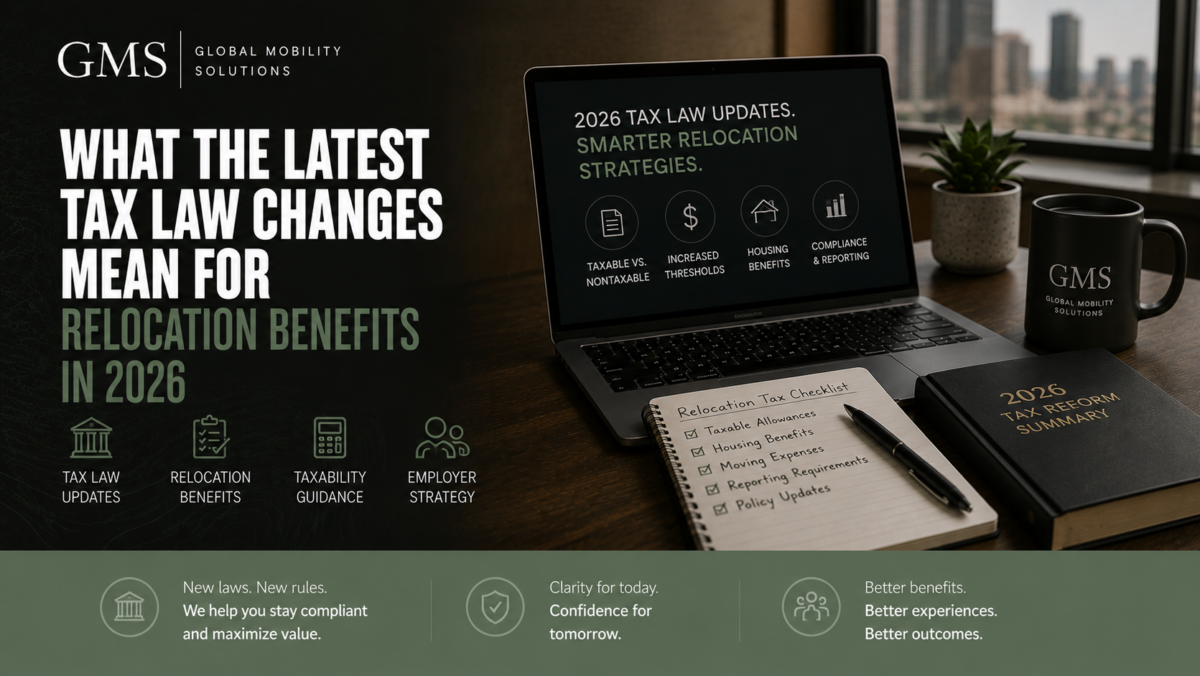
Talent mobility carries significant compliance and financial implications, particularly for international assignments. HR teams must account for destination-specific employment laws, payroll adjustments, and tax withholding requirements. Determining which mobility benefits are taxable and coordinating gross-ups when applicable is critical to avoiding employee dissatisfaction and financial risk. Early involvement from tax advisors and immigration specialists helps ensure compliance and prevent costly delays.

Move Execution and Logistics Management

Once planning and compliance are addressed, the focus shifts to executing the move. This phase includes scheduling packing and shipment, coordinating temporary housing, aligning lease or home purchase timelines, and tracking mobility-related expenses. Centralized management during this stage allows HR teams to identify issues quickly, keep the move on schedule, and maintain a positive experience through consistent communication.

Settling-In Support and Employee Experience

Talent mobility success extends beyond moving day. Ongoing settling-in support plays a key role in employee engagement and retention. Destination orientation, community resources, and assistance with schooling or childcare help employees and their families adjust more quickly. Regular post-move check-ins at 30, 60, and 90 days allow HR teams to address concerns, reinforce support, and ensure a smooth transition into the new role.

Program Review and Continuous Improvement

Every talent mobility initiative provides valuable insights that can improve future programs. Reviewing total costs, service provider performance, and employee feedback helps HR teams identify opportunities to increase efficiency and enhance the employee experience. Over time, these insights allow organizations to refine mobility policies, strengthen partnerships, and build more scalable talent mobility programs.

Why a Structured Talent Mobility Checklist Matters

A well-structured talent mobility checklist enables HR and talent teams to deliver consistent, compliant, and people-first mobility experiences. At Global Mobility Solutions (GMS), we help organizations simplify talent mobility by combining best-in-class service providers, transparent cost management, and personalized support. Our flexible model empowers HR teams to move talent confidently while supporting both business goals and employee well-being.

Categories
Corporate Relocation Domestic Relocation Global Mobility Global Relocation Global Relocation Trends

Global Mobility Trends Shaping Employee Relocation in 2026

As organizations continue to compete for top talent in an increasingly global marketplace, employee relocation programs are evolving faster than ever. In 2026, global mobility is no longer just about moving employees from Point A to Point B—it’s about creating seamless, data-driven, and employee-centric experiences that align with broader business goals. 

Understanding the global mobility trends shaping employee relocation trends in 2026 can help companies stay competitive, control costs, and improve employee satisfaction.

A Stronger Focus on Employee Experience

One of the most significant global mobility trends in 2026 is the shift toward employee-first relocation programs. Companies are recognizing that a positive relocation experience directly impacts productivity, retention, and engagement. 

Employees expect personalized support, clear communication, and flexibility throughout the relocation process. This includes tailored housing options, destination services, and ongoing support beyond the initial move. Mobility programs that prioritize experience over rigid policy structures are seeing higher assignment success rates and faster adjustment times.

Increased Use of Technology and Automation

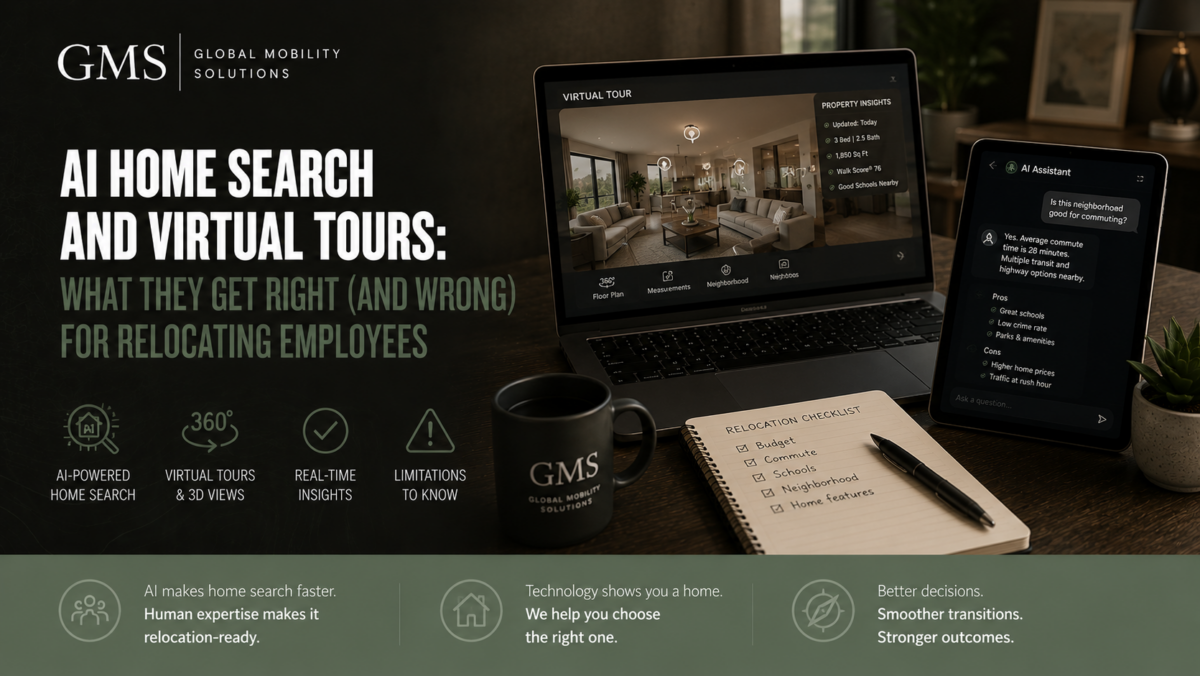
Technology continues to transform global mobility programs in 2026. Automation, AI-powered tools, and self-service platforms are becoming standard components of modern relocation management. From AI-driven home search tools and virtual home tours to centralized client portals, technology is reducing administrative burden while increasing transparency. These tools give employees real-time access to timelines, documents, and support resources, while HR teams benefit from improved efficiency and reduced manual processes.

Data-Driven Decision Making in Mobility Programs

Data analytics is playing a larger role in shaping employee relocation strategies. In 2026, companies are leveraging mobility data to forecast costs, measure program effectiveness, and identify trends across regions and job roles. Predictive analytics help organizations anticipate challenges such as housing availability, cost-of-living fluctuations, and assignment risks. With better insights, global mobility teams can make informed decisions that balance employee needs with financial responsibility.

Cost Management and Budget Optimization

Rising housing costs, inflation, and economic uncertainty are pushing companies to rethink how they manage relocation budgets. Cost containment remains a top priority in 2026, but organizations are moving away from one-size-fits-all approaches. Instead, they are adopting flexible benefits models, tiered policies, and capped allowances that still support employees while maintaining financial control. Strategic vendor partnerships and transparent cost tracking are essential for optimizing relocation spend without compromising service quality.

Compliance, Risk Management, and Duty of Care

As global workforces expand, compliance and risk management have become critical elements of employee relocation. Immigration regulations, tax requirements, and data privacy laws continue to evolve, making it essential for companies to stay informed and proactive. 

In 2026, global mobility programs are placing greater emphasis on compliance support, secure document management, and duty-of-care initiatives. This ensures employees are protected while organizations minimize legal and financial risk.

Remote and Hybrid Work Influence on Relocation

Remote and hybrid work models are reshaping traditional relocation strategies. While not eliminating the need for relocation, flexible work arrangements are influencing assignment duration, location selection, and benefits offerings. Some companies are offering short-term assignments, commuter programs, or partial relocation support to align with hybrid roles. Global mobility teams in 2026 must be adaptable, creating policies that support both in-office and distributed workforces.

Sustainability and Responsible Relocation

Sustainability is becoming a growing priority in global mobility planning. Organizations are increasingly mindful of the environmental impact of employee relocation, from transportation emissions to the use of temporary housing. In 2026, companies are exploring greener relocation options, such as reduced shipment volumes, sustainable housing partners, and digital documentation. Responsible relocation practices not only support corporate sustainability goals but also resonate with environmentally conscious employees.

The Role of Strategic Mobility Partners

As relocation programs become more complex, companies are turning to experienced global mobility partners to navigate change. A trusted relocation management provider can offer expertise, technology, and scalable solutions that align with evolving business needs. In 2026, successful organizations view global mobility as a strategic function—one that supports talent acquisition, workforce planning, and long-term growth.

Categories
Corporate Relocation Domestic Relocation Global Mobility Global Relocation Global Relocation Challenges

How Technology Is Revolutionizing Global Mobility Management

The world of global mobility is evolving faster than ever before. As organizations expand across borders and remote work continues to reshape workforce dynamics, technology is playing a pivotal role in transforming how mobility programs are managed. From automation and data analytics to AI-driven relocation support, modern tools are helping companies streamline processes, reduce costs, and create a more seamless experience for relocating employees.

Automation Simplifies Complex Mobility Processes

Global mobility involves many moving parts — from visa and immigration management to payroll, housing, and compliance. Traditionally, these processes required manual input and coordination among multiple stakeholders, often resulting in inefficiencies and delays.

Today, automation tools have changed the game. Automated workflows help manage approvals, track deadlines, and reduce administrative burdens. Tasks like document processing, expense tracking, and assignment management can now be handled with greater accuracy and speed, freeing HR and mobility teams to focus on strategic decision-making rather than paperwork.

Data Analytics Drives Smarter Decision-Making

Data is one of the most potent assets in modern mobility management. With the right technology in place, companies can access real-time insights into relocation trends, costs, and employee satisfaction.

Analytics dashboards enable HR leaders to identify cost-saving opportunities, forecast relocation budgets, and measure program effectiveness. For example, by analyzing relocation timelines or housing costs across regions, organizations can make more data-driven decisions that improve both efficiency and employee experience.

At Global Mobility Solutions (GMS), data analytics plays a key role in helping clients make informed choices that align with their global business goals.

Artificial Intelligence Enhances the Relocation Experience

AI is no longer a futuristic concept — it’s already reshaping how employees relocate. Intelligent systems can now recommend housing options, predict relocation challenges, and provide real-time guidance tailored to each employee’s needs.

Through partnerships with innovators like RentSmart AI, GMS is integrating AI-driven tools to deliver personalized relocation experiences. These technologies analyze employee preferences, lifestyle needs, and local market data to simplify decision-making and reduce stress throughout the move.

The result? Employees enjoy a smoother, more informed transition, while employers benefit from improved satisfaction and retention

Cloud-Based Mobility Platforms Improve Collaboration

In a global workforce, accessibility and communication are essential. Cloud-based mobility platforms allow HR teams, service providers, and relocating employees to access critical information anytime, anywhere.

These platforms centralize mobility data, provide real-time status updates, and ensure transparency throughout the relocation process. Whether managing multiple moves or a single international assignment, cloud technology fosters collaboration and keeps everyone aligned.

Technology Strengthens Compliance and Risk Management

Compliance remains a top concern in global mobility — especially with the complexity of international tax laws, visa regulations, and employment standards. Technology helps mitigate these risks by tracking compliance requirements and alerting teams to potential issues before they arise.

Digital compliance tools and automated audit trails provide visibility into every step of the relocation process, reducing errors and ensuring compliance with global regulations. This not only protects organizations legally but also reinforces their reputation as responsible global employers.

The Future of Global Mobility Is Digital

The future of global mobility management lies in continued technological integration. As AI, automation, and data analytics evolve, companies will gain even more control, visibility, and insight into their programs.

Forward-thinking organizations that embrace digital transformation will be better equipped to adapt to changing market conditions, support employee needs, and maintain a competitive edge in the global talent landscape.

At GMS, we’re leading this evolution by combining industry expertise with cutting-edge technology to help companies simplify and strengthen their mobility programs.

GMS stays up to date on Relocation Technology

Technology isn’t just improving how global mobility is managed — it’s redefining it. From automation and AI to cloud-based collaboration, these innovations are creating more innovative, more efficient relocation experiences for businesses and employees alike.

To learn more about how GMS leverages technology to deliver exceptional mobility solutions, contact us today or explore our latest insights on the future of global mobility.

Ready to Calculate YOur Program Savings? Request Access Now!

Are you ready to calculate your potential relocation program savings? Request access to our easy-to-use Relocation Cost Savings Calculator. Your Mobility Pro will grant your access request within 1 business day.

Categories
Domestic Relocation Domestic Relocation Challenges Domestic Relocation Tips Domestic Relocation Trends Global Mobility Global Relocation Relocation Best Practices Relocation Programs

The Future of Employee Relocation: Trends Shaping Global Mobility

In today’s rapidly evolving workforce, global mobility is no longer just about moving employees from one location to another—it’s about enabling people to thrive wherever business takes them. As organizations continue to expand across borders, the future of employee relocation is being shaped by technology, flexibility, and a deeper focus on employee experience.

At Global Mobility Solutions (GMS), we help companies stay ahead of these shifts by providing data-driven insights, innovative technology, and expert guidance to make every relocation successful. Here’s a look at the key trends defining the future of employee relocation and how they’re transforming global mobility programs.

Technology and AI Redefining the Relocation Experience

Technology remains one of the most powerful forces driving change in employee relocation. Artificial intelligence (AI), automation, and predictive analytics are simplifying the process for both employers and relocating employees.

AI-driven tools can now deliver personalized area insights, customized housing recommendations, and real-time cost analysis—all designed to help employees make informed, stress-free decisions. These solutions also give HR and mobility teams access to data that improves policy design, cost forecasting, and overall program efficiency.

At GMS, we leverage technology to streamline every stage of the relocation journey. From interactive dashboards to automated reporting and digital communication tools, our approach helps clients save time, increase transparency, and enhance employee satisfaction.

Flexibility Becomes a Core Benefit

One of the most significant shifts in recent years has been the growing demand for flexibility. Employees expect relocation programs that reflect their unique needs, lifestyles, and family situations. Companies are responding by offering more adaptable policies—such as lump-sum programs, core-flex models, and destination support options that can be customized to fit individual preferences.

Flexibility not only improves employee satisfaction but also helps organizations manage costs more effectively. By giving employees the freedom to choose the services that matter most to them, companies can provide meaningful support without unnecessary spending.

The most successful global mobility programs will continue to balance structure with personalization, ensuring every relocating employee feels supported, valued, and empowered to succeed in their new environment.

Sustainability and Social Responsibility Take Center Stage

Sustainability has become a defining theme across business operations, and global mobility is no exception. More organizations are prioritizing environmentally responsible relocation practices—such as reducing shipping emissions, choosing eco-friendly housing, and supporting local communities.

In addition, partnerships with purpose-driven organizations are helping companies make a positive impact through their relocation programs. For example, GMS is proud to support Plant With Purpose, a global nonprofit focused on environmental restoration and poverty alleviation. Through this partnership, GMS makes charitable donations on behalf of clients to help restore ecosystems and empower communities worldwide.

As sustainability becomes increasingly important to employees and employers alike, companies that integrate these values into their relocation programs will strengthen their brand reputation and appeal to socially conscious talent.

Employee Wellbeing and Experience at the Forefront

Relocation can be one of the most stressful life events an employee faces. Forward-thinking companies are recognizing the need to prioritize employee wellbeing throughout the mobility journey.

Comprehensive support—such as destination services, cultural training, mental health resources, and family assistance—helps ensure a smooth transition and successful assignment. Technology also plays a key role here, giving employees easy access to information and support whenever they need it.

A positive relocation experience not only improves retention but also contributes to higher engagement and productivity in the new role. As the competition for global talent intensifies, companies that prioritize employee wellbeing in their relocation policies will stand out as employers of choice.

Data-Driven Decision Making

The future of global mobility is built on data. Companies are increasingly turning to analytics to gain visibility into relocation costs, policy performance, and employee satisfaction. This data allows HR and mobility leaders to identify trends, optimize budgets, and demonstrate the strategic value of their relocation programs.

By combining technology and human expertise, GMS helps organizations turn complex data into actionable insights—empowering them to make smarter, more informed mobility decisions that align with broader business goals.

GMS is Here to Help!

The global mobility landscape is evolving faster than ever. As technology advances and workforce expectations shift, organizations that embrace flexibility, sustainability, and data-driven strategy will be best positioned for success.

At Global Mobility Solutions, we’re committed to helping companies navigate this transformation with innovative tools, personalized support, and proven expertise. Whether you’re managing relocations across the country or around the world, GMS is here to make every move brighter, smoother, and more successful.

Ready to future-proof your employee relocation program? Contact GMS today to learn how we can help your organization stay ahead of the trends shaping global mobility.

Categories
Corporate Relocation Domestic Relocation Domestic Relocation Challenges Domestic Relocation Tips Global Mobility Global Relocation Global Relocation Tips Global Relocation Trends

What Companies Should Prioritize in Relocation Benefits for 2026

As the competition for top talent intensifies and employee expectations evolve, relocation benefits are no longer just a perk—they’re a critical component of employer value propositions. For companies planning for 2026, here are key trends and strategic considerations to ensure your relocation policies are attractive, cost-effective, and aligned with both employee needs and business goals.

1. Flexibility & Customization

One-size-fits-all relocation packages are increasingly outdated. Different roles, employee life stages, family situations, and locations necessitate varying levels of support. Some employees will prefer full reimbursement of expenses, while others may prefer a lump sum to manage their own move. Tailored packages can include options like:

  • Spousal job search assistance

  • Schooling or childcare assistance

  • Temporary housing or extended lodging

  • Phased or partial relocation (e.g., remote-first periods or hybrid commuting)

Flexibility enables companies to meet diverse needs, enhance satisfaction, and mitigate relocation declines.

2. Technology & Digital Support

Relocation logistics are complex, especially for global or long-distance moves. In 2026, technology will play a bigger role in simplifying and automating these processes:

  • Digital platforms or dashboards to track expenses, real-time status, and compliance.

  • Virtual tools, such as AR/VR for home tours, reduce travel and enable employees to begin settling in remotely.

  • AI for cost projections, moving vendor selection, and customizing policy options based on individual profiles.

2. Technology & Digital Support

With inflation, rising housing costs, and tighter budgets, companies must strike a balance between generosity and fiscal responsibility. Key levers include:

  • Lump-sum payments vs complete reimbursements. Many firms are shifting toward managed lump sums (where the employee gets a sum but works through a vetted relocation provider or uses approved services) to reduce the risk of misuse or under-support.

  • Clawback or repayment provisions: to protect the company if the employee leaves soon after relocating.

  • Adjusting for the cost of living and housing market changes in destination cities. Ensuring that the total compensation package reflects what it’s really going to cost employees to live in the new place

4. Employee & Family Well-Being

With inflation, rising housing costs, and tighter budgets, companies must strike a balance between generosity and fiscal responsibility. Key levers include:

  • Lump-sum payments vs complete reimbursements. Many firms are shifting toward managed lump sums (where the employee gets a sum but works through a vetted relocation provider or uses approved services) to reduce the risk of misuse or under-support.


  • Clawback or repayment provisions: to protect the company if the employee leaves soon after relocating.


  • Adjusting for the cost of living and housing market changes in destination cities. Ensuring that the total compensation package reflects what it’s really going to cost employees to live in the new place

5. Sustainability & Corporate Responsibility

The environmental impact of relocation is becoming an area of scrutiny. Forward-thinking companies in 2026 will factor in sustainability in policy design:

  • Using green moving practices (eco-friendly packing materials, lower emissions transport, minimizing waste).

  • Encouraging sustainable housing options and communities with good public transit, as well as energy-efficient buildings.

  • Aligning relocation policies with broader ESG goals can enhance employer branding and help meet stakeholder expectations.

6. Transparency & Clear Communication

Ambiguity kills trust. If relocation policies are confusing or hidden, employees may decline offers or leave prematurely. To maximize value:

  • Clearly define what is included: what counts as a relocation-eligible distance, what expenses are covered, and what timelines are expected.

  • Be upfront about things like tax implications, gross-ups, repayment obligations or clawbacks.

  • Provide clear procedural steps and contacts, including who to contact for specific tasks, how to obtain moving quotes, and the process for managing approvals.

7. Monitoring & Policy Review

What works today may not be sufficient in 2026. Companies should build in mechanisms to monitor and evolve their relocation programs:

  • Solicit feedback from employees who have relocated: what worked, what didn’t.

  • Track metrics: declines, retention after relocation, cost vs budget, impact on productivity, time to settle in.

  • Stay abreast of legal, immigration, tax, housing, and real estate regulation changes, especially for cross-border relocations or remote work policies.

Work with GMS for Relocation Benefits

Relocation benefits in 2026 will be judged not just by the dollars spent, but by how well they address flexibility, empathy, efficiency, and responsibility. For companies that get it right, these programs can be powerful tools to attract talent, cement loyalty, and project a modern, human-centred employer brand.

At GMS Mobility, we help you design and optimize relocation benefit programs that strike a balance between employee expectations and business strategy. If you’d like to explore how your relocation benefits stack up or how you can evolve them for the future, we’re here to assist.

We're Here to Help! Request a Courtesy Consultation

Are you ready to talk to a Mobility Pro? Learn how GMS can optimize your mobility program, enhance your policies to meet today’s unique challenges, receive an in-depth industry benchmark, or simply ask us a question. Your Mobility Pro will be in touch within 1 business day for a no-pressure, courtesy consultation.

Categories
Business Services Domestic Relocation Employee Development Global Relocation

Making Every Relocation Count: GMS Partners with Plant With Purpose

At Global Mobility Solutions (GMS), we believe relocations should do more than move employees from one destination to another—they should also make a positive difference. That’s why we’re proud to highlight our partnership with Plant With Purpose, a global nonprofit dedicated to environmental restoration and community empowerment.

Through this collaboration, GMS makes charitable donations on behalf of our clients, directly supporting large-scale reforestation and sustainable development projects worldwide. To date, we’ve contributed to preservation and planting efforts that have helped save more than 43 million trees. It’s one more way we’re reinforcing our commitment to providing corporate relocation services that benefit not only clients and employees, but also the planet.

Why This Partnership Matters

When companies invest in global mobility programs, their primary focus is often employee support, logistics, and compliance. At GMS, we take it a step further by aligning each relocation with a broader purpose. By working with Plant With Purpose, every employee move supported by GMS helps to:

  • Restore ecosystems impacted by deforestation.

  • Strengthen rural communities through sustainable livelihoods.

  • Support sustainable relocation practices that benefit future generations.

As GMS President Paul De Boer puts it:

“Our partnership with Plant With Purpose is one of the most meaningful ways we can give back. At GMS, we believe that every relocation should not only support the success of our clients and their employees but also leave a positive impact on our world.”

Relocation With Purpose

Being a global partner of Plant With Purpose reflects our mission to provide tailored global mobility programs that empower businesses and their people—while fostering environmental responsibility. Every relocation we manage is an opportunity to support our clients’ goals and contribute to a healthier, more sustainable planet.

As a leader in corporate relocation services and technology, GMS remains dedicated to supporting initiatives that extend beyond business as usual. With the help of our clients and our partnership with Plant With Purpose, we’re showing how global mobility solutions can be a force for good—helping employees thrive, businesses succeed, and communities and ecosystems flourish.

Ready to Calculate YOur Program Savings? Request Access Now!

Are you ready to calculate your potential relocation program savings? Request access to our easy-to-use Relocation Cost Savings Calculator. Your Mobility Pro will grant your access request within 1 business day.

Categories
Choosing a Relocation Company Corporate Relocation Domestic Relocation Global Mobility Global Relocation Global Relocation Challenges Global Relocation Tips Relocation Best Practices Relocation Challenges

Are Relocation Benefits Still Relevant Today?

Relocation benefits are evolving—but they’re far from disappearing. As businesses continue to expand into new markets and compete for talent, mobility programs remain a valuable tool for attracting, engaging, and retaining employees. When designed with flexibility and employee needs in mind, relocation benefits can strengthen both workforce stability and organizational growth.

The Changing Landscape of Relocation

While some employees have more flexibility in where they live and work, relocation remains essential for roles that require leadership, specialized expertise, or on-site operations. For organizations entering new regions or developing future leaders, mobility programs are not simply about moving people—they’re about enabling success.

Why Relocation Benefits Still Matter

  • Recruitment & Competitive Advantage
    Comprehensive relocation packages help companies stand out when hiring for hard-to-fill positions or attracting top talent in competitive markets.

  • Employee Well-Being & Retention
    Relocating is complex and often stressful for employees and their families. Support with housing, schooling, and settling in helps build loyalty and minimize disruption.
  • Strategic Talent Deployment
    Relocation ensures the right people are in the right place at the right time, supporting global expansion and long-term talent development.

How Relocation Benefits Are Being Redefined

Organizations are moving away from one-size-fits-all relocation packages toward flexible, employee-centered solutions. Common trends include:

  • Choice and Customization – Giving employees options, such as spousal support, temporary housing, or pet relocation.
  • Tiered Approaches – Adjusting benefits based on seniority, role, or the complexity of a move.
  • Lifestyle Support – Recognizing the importance of family, community, and long-term integration in a successful relocation.

What Employers Should Consider

To ensure relocation programs remain effective, organizations should ask:

  1. What resources do employees and their families need to succeed in a new location?

  2. How can benefits be equitable while remaining flexible across roles and assignment types?

  3. What is the long-term impact of relocation support on retention, engagement, and productivity?

  4. How can policies be communicated more clearly to build employee confidence?

Work with GMS to Get Employees from Point A to Point B

Relocation benefits are not a thing of the past—they are evolving into more strategic, flexible, and people-focused programs that help businesses thrive. Companies that modernize their mobility offerings position themselves to win top talent and ensure smoother transitions for employees worldwide.

If you’d like guidance on updating or optimizing your relocation program, contact GMS today—we’re here to help answer your questions and support your mobility strategy.

We're Here to Help! Request a Courtesy Consultation

Are you ready to talk to a Mobility Pro? Learn how GMS can optimize your mobility program, enhance your policies to meet today’s unique challenges, receive an in-depth industry benchmark, or simply ask us a question. Your Mobility Pro will be in touch within 1 business day for a no-pressure, courtesy consultation.

Categories
Corporate Relocation Corporate relocation tips Domestic Relocation Global Relocation Global Relocation Challenges Global Relocation Tips Relocation Best Practices

Why GMS Provides Relocation Coaches to Each Transferee

When moving with GMS, your coach will be with you every step of the way

Global Mobility Solutions (GMS) is the industry leader in relocation services. We have been providing companies with global mobility programs since 1987. One of the things that sets GMS apart from the competition is our dedication to personalized service. Every person who moves with us is assigned a relocation coach, a highly trained professional with expert guidance in either domestic or international employee relocation, who will be with you every step of the way. 

Our coaches’ critical responsibilities include delivering the highest customer and client satisfaction. Each coach works with transferees to complete a needs analysis and then verify their understanding of the relocation services authorized. Our coaches are proactive in tracking the progress of candidates and transferees to ensure the highest conversion levels and customer/client satisfaction. They are always ready to address any issues promptly, providing a smooth and stress-free relocation process.

The most significant advantage of working with a global mobility expert is that they act as a single point of contact for candidates/transferees to work through all questions, issues, and problem resolutions.

Our relocation coaches are highly trained professionals who are dedicated to making the moving process as smooth and stress-free as possible for our clients. They are there to answer any questions, address any concerns, and provide support every step of the way. By working closely with each individual, our coaches ensure that all needs are met and that the relocation process is a success.

In addition to providing guidance and support, our coaches also play a crucial role in ensuring that our clients are satisfied with our services. They track the progress of each candidate and transferee, ensuring everything is on track and addressing any issues promptly. By acting as a single point of contact, our coaches make it easy for clients to get the assistance they need when they need it.

Overall, our relocation coaches are an essential part of our team, helping to deliver the highest levels of customer and client satisfaction. With their expertise and dedication, we can provide a seamless and efficient relocation experience for everyone who moves with us.

Ready to Receive Expert Relocation Coaching?

GMS’ relocation coaches are highly trained professionals who understand the challenges and complexities of moving to a new location. They will work closely with your employees to create a personalized relocation plan that meets their needs and preferences. From finding the right neighborhood to coordinating logistics, our coaches will be there every step of the way to ensure a smooth transition.

By partnering with GMS, you can rest assured that your employees will receive the support and guidance they need to settle into their new home with ease. Our team is dedicated to providing top-notch service and making the relocation process as stress-free as possible for everyone involved.

Be sure to give your employees the expert relocation coaching they deserve. Contact us today to learn more about how GMS can help streamline your global mobility needs and provide a seamless relocation experience for your team.

What's happening in your industry? Request a Courtesy Benchmark report

At GMS, we make it a priority to know how talent mobility is changing in each major industry. What are the best practices? How are other companies changing their programs to retain a competitive edge? Your Mobility Pro will be in touch within 1 business day to help answer your questions and benchmark your industry.

Looking for something?