

Categories
Corporate Relocation Corporate relocation tips Domestic Relocation Domestic Relocation Tips Domestic Relocation Trends Global Mobility Global Relocation Global Relocation Tips Global Relocation Trends Household Goods Relocation Best Practices Relocation Management

Relocation Models for 5 Major Industries

Traditional vs. Lump Sum Relocation Programs

Which is best model for your company?

There is more than one way to get your relocating employees to their new assignments. Many companies opt for either a traditional relocation program, a lump sum/managed cap program, or a combination of the two, depending on the position of the transferee and other special circumstances.

What are the Differences?

With a lump sum or managed cap model, relocating employees are given a pre-determined amount of money to cover all aspects of their move. From the shipping of goods to temporary housing, the transferees are responsible for researching and obtaining all the services needed to get them to their new destinations. There is no tracking or reporting available to HR or finance departments to let them know whether their relocation policies are too generous, costing the company more money than necessary to relocate their employees, or too limited, forcing transferees to pay out of pocket unnecessarily. This approach leaves the entire move is managed by the transferees, many who might not have any prior moving experience.

Conversely, a traditional relocation model is managed by a relocation management company (RMC). The RMC coordinates everything for the transferees. This includes, but is not limited to, home selling, household goods movement, temporary living, and home purchasing. The RMC sets up the various services with reputable, vetted network partners. Since the RMCs use direct billing back to the client companies, the transferees rarely have to open their wallets. HR and finance departments receive detailed expense reports from the RMCs that capture all the costs related to relocating their transferees.

Based on comprehensive relocation surveys, here are findings of how companies in five different industries utilize either traditional, managed cap/lump sum, or a combination of these relocation programs:
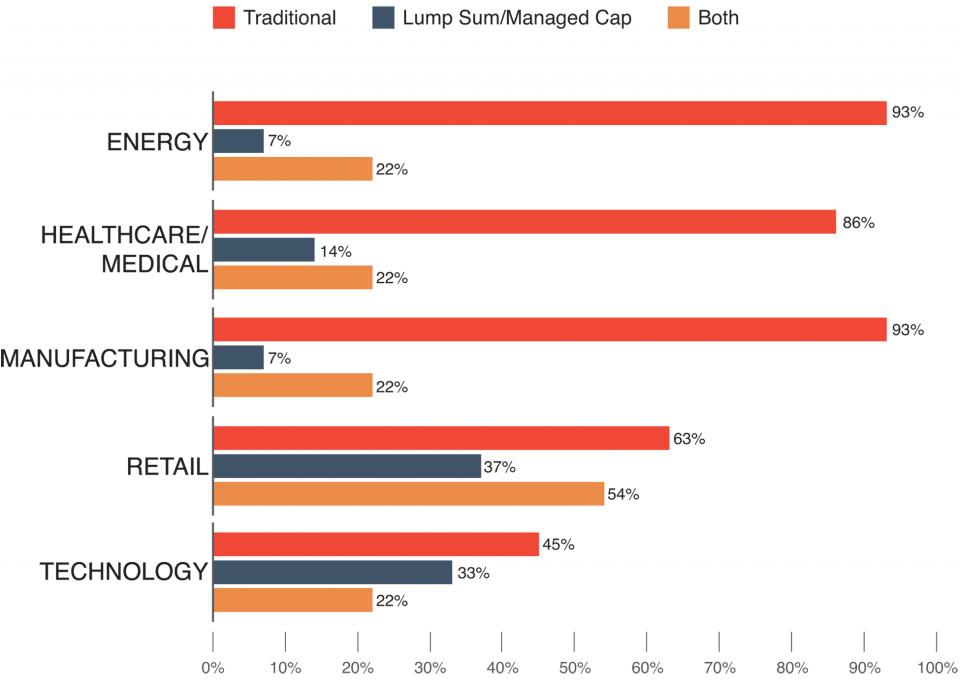
Relocation Models by Industry: Energy, Healthcare/Medical, Manufacturing, Retail, Technology

The figures above illustrate that across all the industries in this survey, traditional relocation programs are used more frequently than lump sum or managed cap programs. However, in all the industries, there is a large percentage of companies that utilize a combined approach. A best practice consideration is to adopt a combination of traditional and managed cap relocation models.

Modern Mobility Made Easy™
Helping you manage your relocating employees

Global Mobility Solutions, an innovative leader in corporate relocations since 1987, can analyze and create mobility management programs customized for your unique needs. Additionally, we have compiled benchmarking studies and relocation best practices for numerous industries. To learn more about what type of relocation model would fit best with your company, get the full relocation benchmarking study for your specific industry:


Download your industry benchmarking study

Categories
Corporate Relocation Corporate relocation tips Domestic Relocation Domestic Relocation Tips Global Mobility Global Relocation Global Relocation Tips Relocation Best Practices Relocation Management

The Real Truth: Managed Cap vs. Lump Sum

Managed Cap vs Lump Sum – Key Things You Need to Consider

As a mobility manager, lump sum payments might seem like the fastest and easiest method of providing your employees with the funds they need to move. However, when looking at managed cap vs lump sum, lump sum payments come with their own unique set of problems. Some of the challenges include:

  • Transferees often left alone in the relocation process
  • No cost controls and often budgetary overages
  • Limited process or service structure
  • Non-taxable benefits are lost
  • Frustrated transferees mean elevated HR involvement and escalations

Fortunately, a managed cap program alleviates many of the problems associated with a lump sum. It also provides:

  • The desired simplicity and predictability of a lump sum program
  • Enhanced employee tax benefits, resulting in more dollars for relocation.

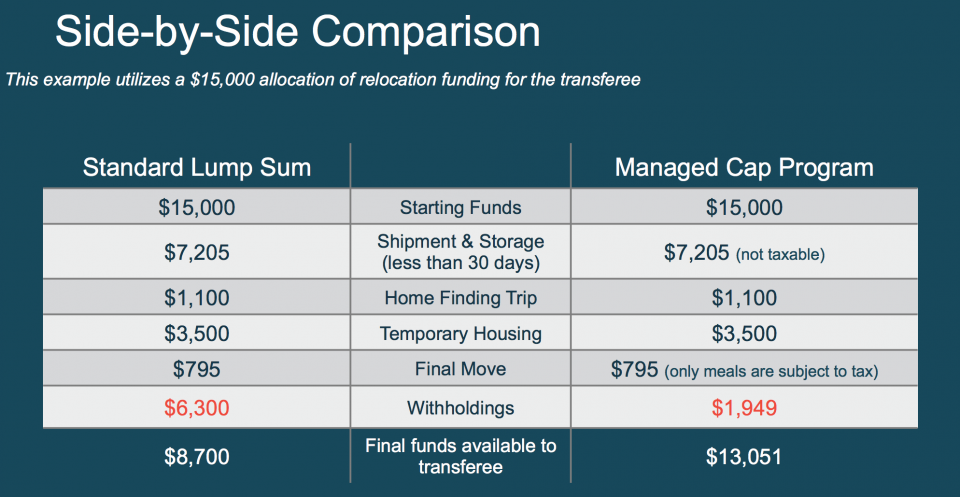
Let’s see the difference between a $15,000 lump sum payment and the same $15,000 from a managed cap program:

GMS-Managed-Cap-vs-Lump-Sum-Chart

A Winning Scenario

The Managed Cap Program provides the transferee with $4,351 more for relocation services!


Modern Mobility Made Easy™

What this means for you and your relocating employees

A Managed Cap program will ensure that your transferees get the most out of their relocation dollars and that you will reduce the amount of administrative burden dealing with exceptions. Global Mobility Solutions – a leader in mobility management since 1987 – has expert relocation consultants who understand how a Managed Cap program can benefit you and your company. Contact Global Mobility Solutions and learn how we can quickly implement a managed cap program custom-tailored for your needs. Request your complimentary managed cap program demo to see how much you can be saving.

Request-a-Demo

Categories
Corporate Relocation Corporate relocation tips Domestic Relocation Domestic Relocation Challenges Domestic Relocation Tips Global Mobility Global Relocation Global Relocation Challenges Global Relocation Tips Relocation Best Practices Relocation Challenges Relocation Management

Managing Mobility Costs

Department heads all over the globe are constantly asked to identify cost-saving opportunities within their departments. Human resources, employee mobility, talent acquisition, and procurement are no exceptions. As you scrutinize your budget, try utilizing these three steps to help better manage and ultimately reduce your relocation expenses:

Cost Estimates

Managing mobility costs starts with understanding what those expenses are. First estimate what costs should be involved with your vision of a successful mobility program. A cost estimate will provide you with a clear picture of the potential costs of individual relocation assignments. You can then use these cost estimates to correctly establish a budget prior to initiating any relocations.

One effective way to determine your cost estimates is by utilizing cost estimate technology. There are many software programs that by using the latest upgrades will help you:

  • Save time
  • Reduce human error
  • Ensure compliance

Policy Reviews

By reviewing your relocation policies, either internally or with an outside relocation management company (RMC), you will be able to identify cost-saving opportunities and eliminate expensive exceptions. When reviewing your mobility management policies, you should:

  • Do so in conjunction with cost
  • Benchmark against other companies within your industry
  • Leverage technology for key services (i.e. Virtual destination tours, online school reports, etc.)

Example:

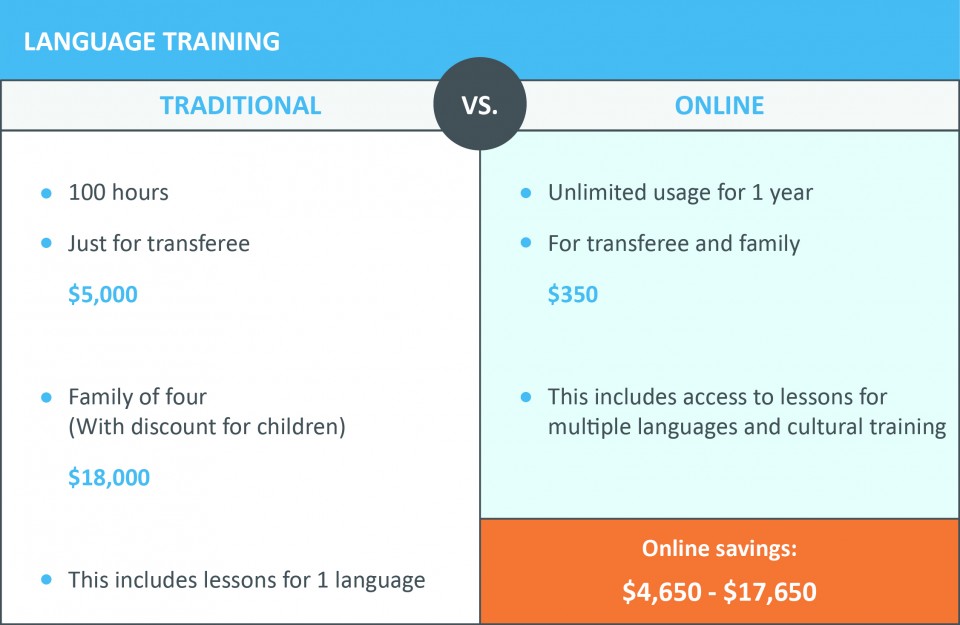
Using online language tools can reduce relocation costs by roughly $5,000 - $20,000.

Tracking and Reporting

Lastly, you want to ensure that you are continuously tracking all expenses and reporting any overages or savings. Get a detailed account of how your cost estimates match up with your actual spending. Then the whole process repeats itself. Once you have your data:

  • Take action – Make any necessary adjustments to your budget, policy, or both
  • Review – Go over the detailed reports to identify more cost-saving opportunities
  • Incorporate technology – Save time and money by offering key services online

Global Mobility Solutions (GMS) is an award-winning RMC and, since 1987, has been helping companies save time and money with regard to their corporate relocations. As a courtesy service, GMS will review your current relocation policies and provide expert feedback to ensure that your policies are competitive within your industry and to identify any cost-saving opportunities, so you can focus on managing mobility costs.

Click here for your free relocation policy review

Categories
Corporate Relocation Domestic Relocation Domestic Relocation Tips

Best Places for Business in the U.S.

A close  look at “The Best Places for Business in the U.S.”

Why should you be interested in the best places for business in the United States? On January 3, 2017, Mark Fields, CEO of Ford Motor Company, talked about how Ford was scrapping plans to build a $1.6 billion manufacturing plant in Mexico and instead was going to be investing $700 million into a facility in Detroit. The move would not only save existing jobs in Michigan, but add 700 new ones. Fields stated, “This is a vote of confidence for President-Elect Trump and some of the policies he may be pursuing.” This could also be interpreted as, “We better keep our operations in the U.S. or we will be heavily fined by the new administration.”

Deciding which state may make the most sense, many companies logically look for less expensive, more business-friendly locations to relocate all or parts of their operations. However, if crossing the border is no longer an option due to penalties and political backlash, to which states should companies look when setting up satellite facilities? What are the best places for business in the United States?

In the article “America’s Top States for Business in 2016,” Scott Cohn, Special Correspondent for CNBC, identified ten metrics and weighted them to determine state rankings. These are:

·         Workforce (400 points)

·         Cost of Doing Business (350 points)

·         Infrastructure (350 points)

·         Economy (340 points)

·         Quality of Life (325 points)

·         Technology & Innovation (250 points)

·         Education (200 points)

·         Business Friendliness (160 points)

·         Cost of Living (75 points)

·         Access to Capital (50 points)

By using these metrics, Mr. Cohn was able to compile an ordered list of the top states in which to do business. The top 10 overall rankings for 2016 are:

1.       Utah

2.       Texas

3.       Colorado

4.       Minnesota

5.       North Carolina

6.       Washington

7.       Michigan

8.       Georgia

9.       Iowa

10.   Florida

To view the full list of all 50 states, as well as the scores for each individual metric, visit the CNBC article page.

Should your company be planning a move to a more business-friendly state, be sure to utilize an experienced relocation management company to make the most informed decision and to facilitate your mobile workforce. Global Mobility Solutions (GMS) has been a leader in relocation management since 1987, continuously delivering innovative programs and relocation technology along with award-winning customer service.

Before you move – or even develop your relocation policies – contact GMS for your complimentary benchmark study.

Categories
Corporate Relocation Domestic Relocation Domestic Relocation Tips Domestic Relocation Trends Global Mobility Global Relocation Global Relocation Tips Global Relocation Trends Relocation Best Practices

Pre-Decision and Best Practices for Global Mobility

Pre-decision Best Practices: Why do many companies have a 50% rate for assignment rejection? It is primarily because the potential transferees do not have a clear understanding of the destination location and the support available for their families.

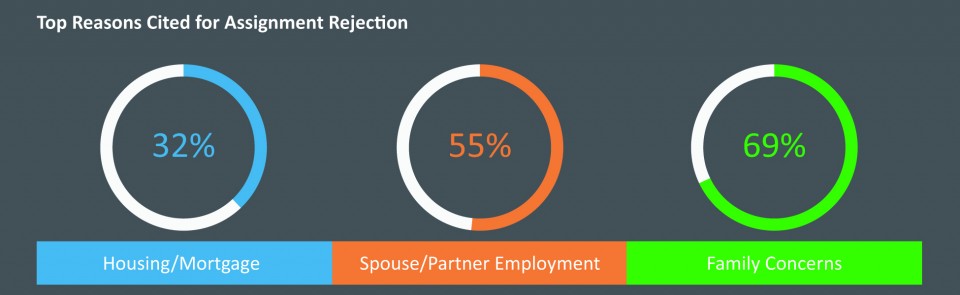
The top 3 reasons cited for rejecting relocation assignments are housing/mortgage concerns, trailing spouse/partner employment concerns, and overall family concerns. Pre-Decision Best Practices

Assignment rejection and failure can be very costly to a company. Firms spend an average of half a year’s salary in recruiting and training when onboarding a new employee. For high-level executives, the expense can be six to nine months of their salaries. However, according to the ERC, it can be as high as three-times an annual salary for international executives. If assignments are rejected, or fail after a move – which adds much more to the financial loss – companies must go through the expense of onboarding and training new staff.


How can companies ensure that they get the right people in the right place at the right time and for the right price?

The answer is to use pre-decision programs. Global Mobility Solutions (GMS) is the pre-decision pioneer and we continue to develop new, innovative features for pre-decision programs.

Although the number is growing, currently only 22 percent of companies around the world are utilizing pre-decision programs. However, when working with an RMC, nearly 60 percent choose to incorporate pre-decision into their mobility management solutions.

Employees decline relocation assignments due to housing, family, and spousal/partner employment concerns. Many firms had a 50% rate for assignment rejection. 32% housing/mortgage, 55% spouse/partner employment, 69% family issues. By using pre-decision, companies increase assignment acceptance, reduce failed relocations, save money, and project a progressive and employee-friendly image.

Going back to the reasons cited for assignment rejection, let’s see how the in-depth questioning and available services of pre-decision can address each of those concerns.


Housing

Candidates are interviewed to learn about community and lifestyle preferences. Candidates are presented with destination spotlights that highlight the cost of living and attractions of the assignment location. Area tours are arranged. Candidates are pre-approved by participating mortgage lenders. Candidates are provided with home selling and home buying assistance.

Spouse/Partner Employment

The pre-decision interview includes an employee’s spouse or partner. Pre-decision best practices programs offer a career assessment to develop an action plan that will help the spouse or partner adjust to the new location. This can include resume services, aggressive job searching, and more.

Family

Through the pre-decision interview process, the specific needs of the family are determined. To help candidates better understand the new location before moving, they are presented with school reports and detailed community information. Community tours are arranged so that transferees and their families can see schools, hospitals, and centers of culture and entertainment prior to moving.


The talent acquisition program manager of a large healthcare company said, “By using pre-decision to initiate relocations prior to the face-to-face interview, we know that transferees have arrived more quickly, have settled better, and stayed longer.”

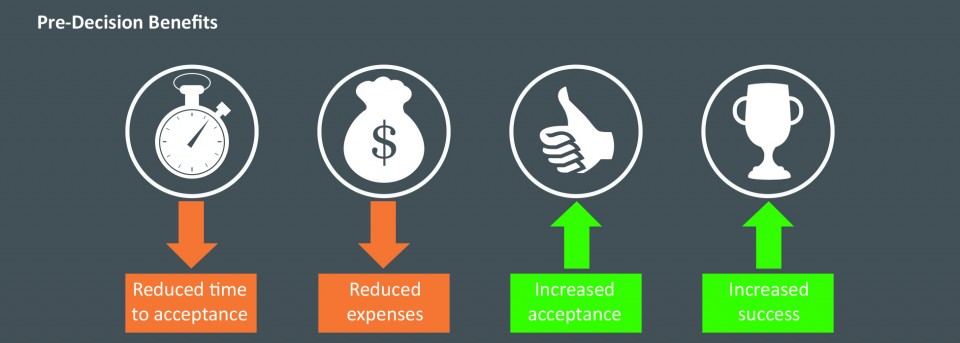
Benefits of utilizing pre-decision programs include reduced time to acceptance, reduced overall costs to the company, an increased acceptance rate, and an increase in successful assignments.

Because of how it engages relocation candidates and their families, increases assignment acceptance and success, and saves companies time and money, pre-decision best practices should be utilized when it comes to mobility management.

Learn more about how pre-decision programs can benefit both you and your transferees.


Categories
Corporate Relocation Domestic Relocation Domestic Relocation Tips Domestic Relocation Trends Global Mobility Global Relocation Global Relocation Tips Global Relocation Trends Relocation Best Practices

Why Benchmark?

Relocations can generate a lot of excitement as companies eye the potential for increased revenue, organizational growth, and the development of their employees. It is important for those managing workforce mobility to know if their company’s relocation policies make sense in today’s evolving, global business environment. It is critical for all the stakeholders in employee relocation – talent acquisition, human resources, procurement, finance, legal, etc. – to fully understand the best practices to ensure that their policies are competitive, compliant, and effective.

Here are the top 5 reasons you should be reviewing your relocation program and policies:

  • To ensure competitiveness within your industry in order to attract and retain the best talent
  • To identify enhancement and cost-saving opportunities (i.e. process, service cost, exception reduction, etc.)
  • To maintain alignment with your overall mobility objectives across key disciplines
  • To educate internal stakeholders on current best practices and trends
  • To learn about innovative ideas for managing a changing workforce mobility environment

Policy Benchmarking Options

A best practice across all industries is to conduct program and policy reviews every 12 to 18 months, depending on an individual company’s relocation volume, size, and scale of programming. You can receive expert guidance and award-winning service by submitting a request for contact.

Categories
Corporate Relocation Corporate relocation tips Domestic Relocation Domestic Relocation Challenges Domestic Relocation Tips Global Mobility Global Relocation Global Relocation Challenges Relocation Challenges

5 Steps to a Successful Year-End Process

While most people are happily preparing for the holidays, you’re scrambling through the year-end reconciliation of all of your relocation expenses. Well, even though it’s only November, here is a gift that will help you not only navigate this year, but help you to have a successful year-end process for years to come.

Though many relocation managers might prefer battling crazed Black Friday crowds to year-end reporting, the process tends to go more smoothly when run by the relocation department. To maximize efficiency, be sure to utilize these five steps:

  1. Create a year-end checklist. A detailed checklist will help identify all of the information you need to accurately report year-end compensation. Your checklist should include due dates, responsible individuals and departments. Establishing the responsibility for reporting all of the relevant compensation data is an important component, and can include wages, imputed income, benefits, equity, taxes, and more. This year-end checklist will help you identify all the resources you will need to create a complete and accurate report. Your itemized checklist needs to include items such as early cutoff dates and all employees who will receive the tax filing services (employees on the tax eligibility list), as well as provide for the time needed for verification, approval and processing. A well-developed checklist will also set firm deadlines for the reporting and tax filings.
  1. Set up a year-end preparation call. When setting due dates, be cognizant of the vacation times made mandatory by some countries around the end of December. During the call, review your year-end checklist with all involved parties to ensure that they are aware of their role and due dates. Use this call as an opportunity to build understanding and develop relationships that will make year-end reporting easier in the future. If you have not already held a year-end preparation call, schedule one as soon as you finish reading the rest of this article!
  1. Verify all of your data! Accuracy is vital, especially when it comes to compensation reporting. Data such as addresses and tax ID numbers/Social Security numbers should be confirmed, as well as wages, benefits, sick and vacation time. Double-checking data prevents backtracking and costly errors down the line.
  1. Finalize your data. Make sure that the final payroll reports of the year have been included, plus any end-of-the-year benefits. Be sure to back up the program data again and be sure to save it in a secure location should it need to be referenced in the future.
  1. Get ready to submit your report. Double-check the deadlines for all the countries on your list and be prepared to provide specific data for each. Tax providers may ask for data for different assignee/transferee populations. Be sure to adhere to your year-end deadlines and, whenever possible, send the data ahead of time. Some international locations may have very tight turnaround times to make that final tax payment of the year.

As with anything, practice makes perfect. The more you follow these five steps, the easier year-end reporting will become for you and you can be confident of a successful year-end process.

Learn more about how to save time and money while managing your corporate relocations.

Categories
Corporate Relocation Domestic Relocation Domestic Relocation Tips

Reduce Relocation Expenses by Eliminating Gross-Ups

BVO Savings

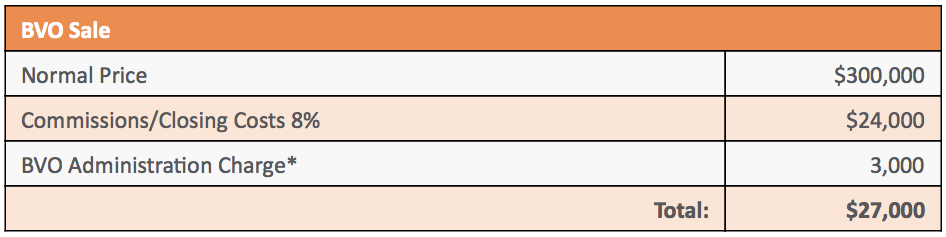
The Buyer Value Option (BVO) program avoids the costly process of “grossing up” dollars used to pay for the commissions and closing costs on the sale of a transferee’s home, enabling a company to reduce relocation expenses.

Typically, the commissions and closing costs associated with the sale of a transferee’s home represent the majority of the total costs incurred during a relocation. Reimbursement to a transferee of these expenses is considered taxable compensation by federal and state authorities.

Most corporations use a form of tax assistance, known as gross-up, to help offset the tax impact felt by the transferee receiving reimbursement. The gross-up expense can add substantial costs.

Example:

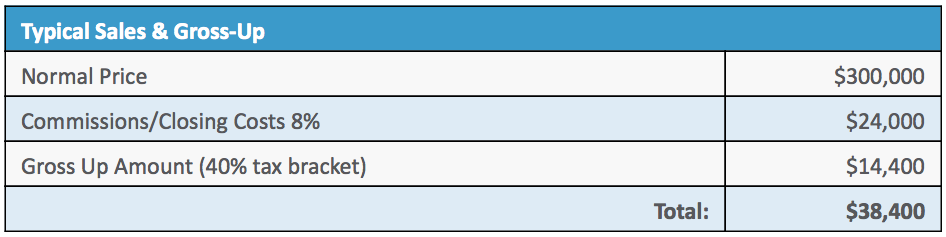
A transferee in the 40% tax bracket receiving a $24,000 home sale expense reimbursement will require around $39,900 in order to approximately cover the impact of income taxes being withheld and still net the $24,000 needed to cover the actual expenses.

Typical home sale with gross-up

Home sale with BVO cost savings

Total Savings:                           $11,400

*Commissions and closing costs shown reflect a 6% commission and 2% closing costs. Actual costs, including BVO fee, may vary.

Once a transferee receives a valid offer to purchase from a 3rd party buyer, and after the relocation management company (RMC) has been able to verify that all contractual terms are customary, the transferee turns the sale of the home over to the RMC.

The RMC then purchases the home from the transferee and subsequently transfers the home to the 3rd party purchaser. All closing costs and realtor commissions are paid by the RMC and billed directly to the employer. Since the transferee never incurs any home sale expense, normal reimbursement of these expenses is not required.

Fast, Easy, and Economical

Once the origin home is turned over to the RMC, the transferee relinquishes all obligations including attending the actual closing. The RMC manages the entire sale and closing process on behalf of the transferee. The BVO program allows the transferee to move quickly, and focus on his or her new job and community. This is one more way of reducing both the stress and expenses associated with workforce mobility.

To learn more about BVOs or other relocation programs, please visit our contact page and an experienced Global Mobility Solutions relocation consultant will answer all of your questions.

Categories
Domestic Relocation Domestic Relocation Challenges Domestic Relocation Tips

7 Reasons Your Home Is Still On The Market

Your home is still on the market: Your house is still on the market, and it doesn’t look like it’s going to budge anytime soon. According to Jonathan Smoke, Chief Economist of Realtor.com, “the median age of inventory is now 80 days”, and its a smear that nobody wants on their listing. That figure is up 6.7% from August, and depending on your reason for moving, timing seems to be everything. You’ve planned carefully and cleaned up your home before trying to show it, so where did you go wrong?

You’re Charging Way Too Much

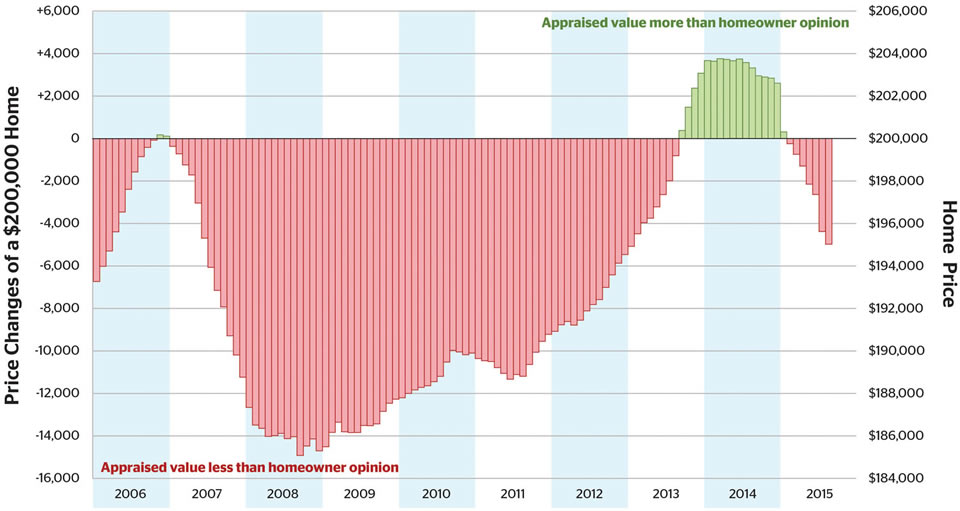
When setting the price of your property, you can’t just set a price without conducting thorough research. According to the experts, every single house can sell, for the right price, of course. If you want to sell your house quickly, it is wiser to lower its price early on, than to wait for another few months then lower it according to market restraints. Zillow suggests, “estimates are intended as a useful starting point to help you determine an independent and unbiased assessment of what your home might be worth in today’s market. Comparing your home to recently sold properties can also help you understand what your home is approximately worth. Ultimately, your real estate agent or appraiser will be able to inspect your home physically and take into account special features, location and market conditions for the right price.” This highlights the absolute necessity of finding a quality agent. Think your home is worth more than its appraised value? You’re not alone. Quicken Loans data shows homeowner perceptions commonly exceed appraiser opinion, illustrated in the graph below.

Home Sellers Usually overvalue their homes. your home is still on the market

You Have A Bad Real Estate Agent

Lack of communication, resources and leadership are signs of a bad real estate agent. While over 90% of transactions involve a real estate agent, an inexperienced real estate agent can’t even compare to one that abides to NAR’s code of ethics. Many agents will not spend more than a couple of hours a week trying to sell your property. If your agent falls into these categories, start contacting him regularly to remind him that you need to sell your house as soon as possible. Teresa Mears reported, Michael McGrew, (CEO of McGrew Real Estate in Lawrence, Kansas) treasurer of the National Association of Realtors stated, “it’s about communication. Tell your agent what isn’t working and ask them to fix it.”  Open communication with your real estate agent can save you literally hundreds of dollars at closing, by closing sooner. The best way to ensure you’re working with a quality agent, is to use vetted and reviewed agent networks. If you’re relocating for work, your company likely provides some real estate assistance through a relocation management company like Global Mobility Solutions, and has access to hundreds of experienced and talented agents.
bad-agent your home is still on the market

Your House Doesn’t Look Appealing

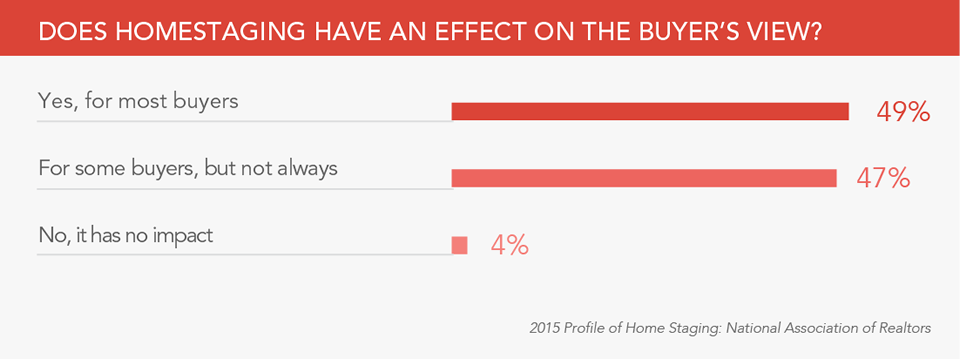
Most homeowners live with the impression that their house is the best home in the universe. Don’t live under the same illusion. You need to realize that your clients do not see the things the way you see them. People’s perception of your house is not influenced by feelings or strong emotional connections. They only look at it from an objective point of view. Staging your home is critical to selling your home fast. According to National Association of Realtors, “the median dollar value to stage a home is $675 and the majority of buyers’ and sellers’ agents believe staged homes also increase the dollar value buyers are willing to offer by one percent to five percent at closing. While only 4 percent of Realtors said staging has no impact on buyer perceptions.” To solve this problem, hire a third party for a free staging consultation to get an edge on your competition.

Real Estate Home Staging Importance your home is still on the market

Withholding Important Information

Never do this, even though it’s tempting sometimes, it could cost you dearly in the end. Misrepresentation can lead buyers and especially agents to go onto the next home. While all houses have warts, refrain from engaging in colorful coverups. Now, you don’t need to go the other way around and list only its drawbacks either. Promote your property using plain language, without exaggerating or hiding important aspects. Real estate agents have many resources at their disposal i.e. memberships, marketing companies, brokerages and associations to draw on. Relying on their associations can save you time and money as well. Again, herein lies the importance of selecting a quality real estate agent.exaggerating your home is still on the market

You’re Still Working On It

If you are engaged in some minor or major work on your property, don’t even think to sell it. Modern buyers are only looking to buy houses that are fully remodeled or renovated in todays competitive market. First of all finish the renovations or major repairs before placing your house on the market. In addition, curb appeal is and always will be the most important. That explains why the NAR and their members, once again, “rated exterior projects as some of the most attractive and valuable home improvements for homeowners.”

renovating your home can help it sell quicker as long as you complete improvements prior to listing your home is still on the market

Your House is not listed Online

More and more buyers are now looking for houses online. Make sure your property is listed on all major real estate sites, including but not limited to Zillow, Trulia and Homefinder. There are over 250 real estate websites that can be easily accessed using the internet today. Additionally, list your house on sites that are mobile optimized. This is crucial to todays Millinium and Gen Y consumers. These tech savvy, busy customers will always prefer their smart phones or tablets over their laptops to navigate online. The top 20 major real estate brokerages have relationships with these sites, and it is automatic once it becomes active in the local Multiple Listing Service. However, every once in a while the listing doesn’t make it in. Have your agent check these sites in the first week to assure your online presence.

Real Estate Apartments Mortgages Home Values Zillow your home is still on the market

You Launched in the Wrong Season

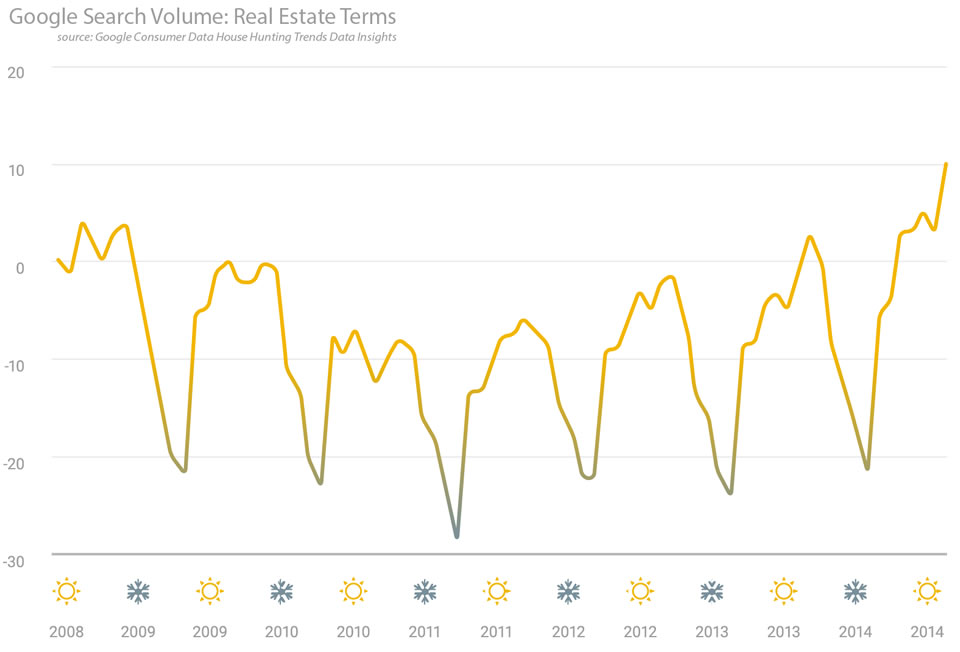
If you want to sell your house to a certain group of people, you need to know exactly when it’s the best time to put your house on the market. For instance, retirees usually tend to buy during the hot season, while young families move in spring or late fall. Nela Richardson, Redfin’s chief economist says, “just as buyer demand follows a seasonal pattern, so do home prices, in addition, over the past five years prices have increased by an average of 3 percent month over month in the spring and ticked down by about 1 percent each month during the fall. To get the best of both worlds, sellers need be informed on both local buyer demand and recent sale prices in their neighborhoods before deciding when to list their homes and for what price.” While your home still sits on the market, timing can be everything, depending on where you live and the buyer you’re trying to reach. Seasons don’t appear to be a huge advantage or disadvantage to listing in any season, since the variance in prices is only by a few percentage points however they do vary on the time it takes on selling a home.” A recent Google Consumer Survey of real estate search terms illustrates the seasonal interest in property perfectly. Almost like clockwork!

seasonal homes Google search volume your home is still on the market

Home is Still on the Market – Insider Tip From GMS Director Of Real Estate Services

“It’s in your best interest to interview more than 1 real estate agent. Find out what each agent thinks about your area and your home’s potential pricing. It doesn’t cost you a dime to have it done. If you’re relocating for work, check to see what benefits are made available to you and use your company resources! If they work with a relocation management company like Global Mobility Solutions, then they’ll have access to hundreds of reviewed, vetted and experienced real estate agents. Following these simple steps can drastically reduce your home’s time on the the market and improve your chances of selling your home at a fair but beneficial price.”

Julie Schultz
Director of Real Estate Services
Global Mobility Solutions

Categories
Corporate Relocation Domestic Relocation Domestic Relocation Tips

2 Mandatory Mortgage Changes Starting This Fall

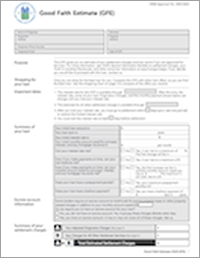
Two key changes set by the Consumer Financial Protection Bureau (CFPB) in 2013 are set to effect mortgage lending practices October 2015. Pushed back from the original implementation date of August. More on why this date was pushed back can be found on the CFPB blog The CFPB rule change will replace the Good Faith Estimate, Early Truth in Lending Disclosure, Final Truth in Lending Disclosure and HUD-1.

One-quarter of uninsured respondents cited good health as the primary reason for a lack of coverage. Newly implemented forms are easier for consumers to use and understand than existing forms according to the Bureau.

According to the CFPB these newly designed forms, “highlight the information that has proven to be most important to consumers. On the new forms, the interest rate, monthly payments, and the total closing costs will be clearly presented on the first page. This will make it easier for consumers to compare mortgage loans and choose the one that is right for them”. The rule’s impact on the relocation industry and implementation background can be found in this related article. Here’s what you need to know in preparation for these pending changes:

Implementation: 

October 3rd, 2015

Scope:
Majority of closed end mortgage loans submitted on or after October 1st, 2015. Not applicable to reverse mortgages, home equity credit lines, or mobile and unattached units.

The Loan Estimate Form:
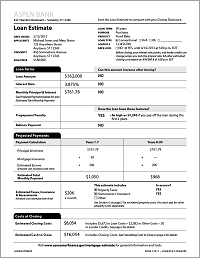
The new Loan Estimate form replaces the Good Faith Estimate and the “early” Truth in Lending Disclosure. This form must be provided to the home buyer within three business days of their mortgage application submission. All written estimates provided to the would-be home buyer must have a clear disclaimer noting that it is not the official Loan Estimate Form.

Replaced Forms New Form

GFE and Initial TiL
View PDF
New CFPB Document
Loan Estimate
View PDF

The Closing Disclosure Form
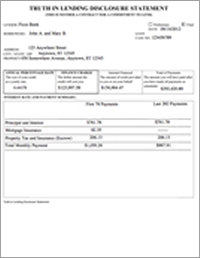
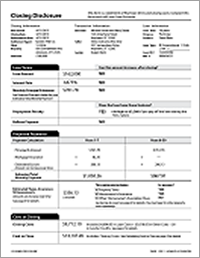
The Closing Disclosure form replaces the HUD-1 and the Truth in Lending Disclosure. Lenders must provide the Closing Disclosure form to the would-be homebuyer at least 3 business days prior to closing. If any significant changes are made to the loan (interest rates, pre-payment penalties, etc.) during the 3 day waiting period the lender must provide a new Closing Disclosure form along with another 3 day waiting period before closing.

Replaced Forms New Form

Final TiL and HUD-1
View PDF
closing disclosure form from the Consumer Financial Protection Bureau
Closing Disclosure
View PDF

Detailed information from the CFPB:
Rule change details for consumers
Detailed CFPB Rule Change Information

Brought to you by Global Mobility Solutions, a trusted partner in global talent management.

Looking for something?