
Categories
Domestic Relocation Domestic Relocation Challenges Domestic Relocation Tips Domestic Relocation Trends Job Market Job Seekers Labor Force Talent Mobility

North American Van Lines Survey Shows Why Americans Stay in Their Hometown

North American Van Lines’ recent survey shows why Americans stay in their hometown. Over 2,000 respondents were asked if they moved in relation to their hometown. Of those that have moved but remained in the same city or area, several reasons impacted their decision including:

  • Ability to stay close to family members
  • Cost of living is lower than other locations
  • Knowledge of and preference for local area
  • Environment, weather, and climate are more favorable
  • Near to place of work

Primary Reason Americans Stay

Those who responded to the North American Van Lines survey that stay in or close to their hometown represent:

  • Men: 68%
  • Women: 75%

The primary reason that Americans stay in their hometown is to remain close to their family members. This reason is remarkably consistent across genders.  48% of men and 51% of women reported staying close to family members as their primary reason for doing so.

Results Show the Importance of Family Support in Relocation

For the survey respondents who have moved out of state away from their hometown, 70% reported work as the primary reason for their move. Since Americans stay in their hometown to remain close to family, those that choose to relocate for their job often inquire about support for their partner, spouse, and family members. Important points for family members, partners, and spouses to consider in a relocation may include:

  • Care for elderly parents and relatives
  • Child care arrangements
  • Community resources and networks
  • Educational opportunities
  • Healthcare options and resources
  • Home finding resources
  • Job market and career assistance for spouses and partners (very important consideration as to why Americans stay in their hometown)
  • Transportation options including driver’s licenses
  • Utility setup and connections

Case Study Shows Importance of Spouse and Partner Career Support

GMS’ Case Study on Educational Institution Relocation Programs shows the importance of local job and career assistance for partners and spouses. Our client learned that new hires were departing within a year due to the lack of local job support for partners and spouses. By redesigning their relocation policy and adding career services for partners and spouses, our client was able to significantly increase their new hire retention rates.

What Should Employers do About the Primary Reason Americans Stay in their Hometown?

Employers should review their relocation program to ensure it follows industry-leading best practices with regard to family matters as well as partner and spouse career support. Companies should work with a qualified and experienced RMC that can help them design a relocation policy that promotes successful relocations. Partner and spouse career considerations should be included in the transferee’s relocation experience. Family support is also critical to reduce any disruption from the move. Having full family support provides peace of mind for the transferee, their partner or spouse, and their family members.

Conclusion

GMS’ team of corporate relocation experts has helped thousands of our clients develop relocation policies and programs that address the reasons why Americans stay in their hometown. Our team can help your company design a robust relocation program. As a result, the program will provide the best relocation experience for your company’s transferees and their family members.

GMS was the first relocation company to register as a .com. The company also created the first online interactive tools and calculators, and revolutionized the entire relocation industry. GMS continues to set the industry pace as the pioneer in innovation and technology solutions with its proprietary MyRelocation™ technology platform.

Global Mobility Solutions is proud to be named and ranked #1 Overall, and #1 in Quality of Service by HRO Today’s 2019 Baker’s Dozen Customer Satisfaction Survey.

Contact our experts online to discuss your company’s relocation program and the need to address the reasons why Americans stay in their hometown, or give us a call at 800.617.1904 or 480.922.0700 today.


Request your complimentary relocation policy review

Categories
Domestic Relocation Domestic Relocation Challenges Domestic Relocation Tips Domestic Relocation Trends Job Market Job Seekers Talent Mobility United States Economy

Domestic Short Term Assignments Best Practices: White Paper

GMS has recently published a new white paper listing domestic short term assignments best practices and tax considerations. Companies are increasingly using these assignments for special projects, corporate initiatives, and business opportunities. By leveraging the willingness of current employees to accept domestic short term assignments, companies can respond to changing priorities quickly and efficiently.

What is a Domestic Short Term Assignment?

A domestic short term assignment is a temporary assignment or job that lasts for one year or less, according to IRS definitions. Often the company’s relocation policy is focused on benefits and programs for employees and family members moving to a new location. Transferees that accept domestic short term assignments will need a different range of benefits and support, since they will return to their home after the assignment is complete. They may need assistance with travel, temporary housing options, or transportation solutions while at the new location.

As a result, relocation programs should address the specific needs of transferees who take short term assignments. By following domestic short term assignments best practices, companies will accrue the greatest benefits, while transferees will receive the best experience.

Domestic Short Term Assignments Best Practices: 3 Examples

A review of domestic short term assignments best practices shows it is important to examine the transferee’s assignment experience in detail. Such a review will help the company manage costs and ensure the best experience for the transferee.

For example, three specific topics highlight the importance of domestic short term assignments best practices to address points that relocation policies usually do not address:

1. Return Trips During Assignments

Domestic short term assignments best practices for return trips is to provide two trips home for every 30 days of assignment. Relocation policies usually do not include a series of return trips home, since the transferee is relocating to the new location.

2. Domestic Short Term Assignments Best Practices for Local Transportation

Domestic short term assignments best practices for local transportation is to provide one of the following two options, whichever is lowest cost:

  • Short term leasing option
  • Shipment of transferee’s vehicle for duration of assignment

Note: longer term assignments should provide local rental vehicle

3. Property Management at Origin Location

Domestic short term assignments best practices for property management at origin is to offer this option to assignments greater than 6 months. Best practice includes making additional copies of keys and fobs for the property management team so you always have spare keys and fobs on hand if required. Options typically include the lowest cost of either:

  • Property management reimbursement or direct bill
  • Stipend or housing differential

What Does This Mean?

Companies should follow domestic short term assignments best practices. This will ensure they can obtain the greatest benefit from this approach while controlling costs. This will help the company be able to respond quickly to changing business priorities.

How Can Employers Learn About Domestic Short Term Assignments Best Practices?

Employers should work with a qualified and experienced Relocation Management Company (RMC) to learn about domestic short term assignments best practices. Companies should review their relocation policy to ensure it follows industry best practice for relocation benefits provided to employees who take domestic short term assignments.

GMS tailors each client’s program based on specific budgets, needs, and compliance. As a result, clients can offer an industry-leading relocation program designed to fully meet the needs of these employees. This helps ensure successful assignments and increases employee satisfaction.

Conclusion

GMS’ team of corporate relocation experts has helped thousands of our clients understand how to incorporate domestic short term assignments best practices into their relocation programs. Our team can help your company design a relocation policy that provides the best experience for employees during their temporary assignments.

GMS was the first relocation company to register as a .com. The company also created the first online interactive tools and calculators, and revolutionized the entire relocation industry. GMS continues to set the industry pace as the pioneer in innovation and technology solutions with its proprietary MyRelocation™ technology platform.

Global Mobility Solutions is proud to be named and ranked #1 Overall, and #1 in Quality of Service by HRO Today’s 2019 Baker’s Dozen Customer Satisfaction Survey.

Contact our experts online to discuss how your company can learn more about domestic short term assignments best practices, or give us a call at 800.617.1904 or 480.922.0700 today.

View the White Paper

Categories
Domestic Relocation Domestic Relocation Tips Domestic Relocation Trends Job Market Job Seekers Labor Force United States Economy

Federal Agency Relocation to Move Jobs Outside the Beltway

A new Bill sponsored by two United States Senators will result in federal agency relocation outside of the Washington, D.C. beltway area. The Bill calls for enactment of the “Helping Infrastructure Restore the Economy (HIRE) Act.” One goal of the HIRE Act is to help certain areas of the country build necessary infrastructure. As a result, this will support future economic growth. Another goal of the HIRE Act is to provide access to good jobs for a greater number of Americans throughout the nation. Several states will see an influx of high paying jobs to economically distressed areas.

The HIRE Act will move policymakers directly into communities impacted by their policies. This should help them see how policies their agency creates affect local areas outside of the beltway. There may also be long term savings for the agencies in a number of other areas including labor, maintenance, and energy costs.

Federal Agency Relocation: The Bill and its Sponsors

Bill:

Helping Infrastructure Restore the Economy (HIRE) Act

Requires federal agency relocation for headquarters and permanent duty stations of its employees.

Sponsors:

Senator Josh Hawley, Missouri

Senator Marsha Blackburn, Tennessee

Ten Agencies Subject to the HIRE Act

The HIRE Act identifies ten federal agencies that may be subject to relocation:

The Departments of

  1. Agriculture
  2. Commerce
  3. Education
  4. Energy
  5. Health and Human Services
  6. Housing and Urban Development
  7. Interior
  8. Labor
  9. Transportation
  10. Veterans Affairs

Ten States Stand to Benefit from Federal Agency Relocation

The HIRE Act identifies ten states with significant economic distress over the past decade:

  1. Indiana
  2. Kentucky
  3. Michigan
  4. Missouri
  5. New Mexico
  6. Ohio
  7. Pennsylvania
  8. South Carolina
  9. Tennessee
  10. West Virginia

Of these ten states, eight share borders and are situated in the Midwestern region of the country. South Carolina is located along the Southeastern coast, and New Mexico is located in the Southwest.

Economically Distressed Areas Defined

The HIRE Act defines the criteria that will determine economic distress. These criteria are further segmented into “Priority Criteria” and “Secondary Criteria.”

Priority Criteria include low rates of education, workforce participation, and income. Poverty rates and housing vacancies are also in this criteria.

Secondary Criteria include current infrastructure, ability to expand infrastructure, and the size of the local workforce.

Additional Points for Federal Agency Relocation

Further to the criteria that determines economic distress, the HIRE Act includes a specific limitation:

  • No location may be within 30 miles of a city with over 800,000 residents

The HIRE Act requires the relocation proposal to focus on as small a geographic size as possible. For example, within the state of Indiana, “southern Indiana” would most likely be considered too large a geographic size. However, the town of Lyons in Greene County may qualify.

Federal Agency Relocation Example: Lyons, Indiana

Economically Distressed Area

Lyons has a “Distress Score” of 123.23, the highest such score in Indiana. Lyons is about 87 miles from Indianapolis, IN; 260 miles from Chicago, IL; and 95 miles from Evansville, IN. However, Lyons is only about 50 miles from Terre Haute, IN (60,000 residents). Lyons is also about 50 miles from Bloomington, IN (85,000 residents). As a result, there are two cities of substantial size within less than an hour’s drive for residents of Lyons. Lyons appears to meet the geographic limitation of the HIRE Act.

Workforce and Infrastructure

While Lyons’ population is approximately 700 residents, Greene County has about 32,000 residents. Lyons is also near two major Interstate Highways: I-70 is to the north, and I-69 is to the south. U.S. Highways 150 and 231 are also nearby. The county’s workforce size may suffice for federal agency relocation. Depending on the definition of infrastructure, highways and airports near Lyons may also meet the HIRE Act’s criteria.

Opportunity to Double the Impact of a Federal Agency Relocation

The town of Switz City has a “Distress Score” of 120.97, the second highest such score in the state. Switz City is located only about 4 miles from Lyons. Federal Agency Relocation to Greene County Indiana near or between the towns of Lyons and Switz City initially seems possible. A federal agency setting its headquarters and job location for employees in this area would have a positive economic impact on the two towns in the state of Indiana with the highest Distress Scores. The HIRE Act notes that Health and Human Services would relocate to Indiana. This federal agency relocation could result in the move of thousands of employees to this region.

What Should Employers do?

Employers in the ten states identified as economically distressed by the HIRE Act should expect a rise in demand for workers due to federal agency relocation. Companies should examine their corporate growth initiatives to ensure they can remain competitive as the local labor market changes.

Companies that interact with federal agencies in their current location should review their relocation programs. Employers may need to consider relocation for employees to be near the agency’s new headquarters location.

Industry Benchmarking Studies Help Employers Compare Their Relocation Program

GMS has recently published several Industry Benchmarking Studies to help employers learn whether their company’s relocation program is designed following industry-specific best practices. There are many benefits to a corporate relocation policy benchmarking.

Industry best practice is to schedule a relocation program and policy review every 12 to 18 months to ensure your company maintains its competitive position. This review will also help your company learn about how the relocation industry is evolving to meet increased employee demands.

Conclusion

GMS’ team of corporate relocation experts has helped thousands of our clients understand how to respond to labor and economic market forces such as federal agency relocation. Our team can help your company by using industry best practices to design your relocation program.

GMS was the first relocation company to register as a .com, created the first online interactive tools and calculators, and revolutionized the entire relocation industry. GMS continues to set the industry pace as the pioneer in innovation and technology solutions with its proprietary MyRelocation™ technology platform.

Global Mobility Solutions is proud to be named and ranked #1 Overall, and #1 in Quality of Service by HRO Today’s 2019 Baker’s Dozen Customer Satisfaction Survey.

Contact our experts online to discuss your company’s interest in learning more about federal agency relocation due to the HIRE Act and its impact on local areas and labor markets, or give us a call at 800.617.1904 or 480.922.0700 today.

Request your complimentary relocation policy review

Categories
Job Market Job Seekers United States Economy

What are the 2019 Fastest Growing Industries in the US?

What are the 2019 fastest growing industries in the US? US economic growth continues its strong pace, with 3rd Quarter 2019 Gross Domestic Product (GDP) increasing by 1.9%. This follows the 2nd Quarter GDP growth of 2.0%. The United States Department of Commerce Bureau of Economic Analysis attributes this growth to several factors, including:

  • Exports
  • Federal Government Spending
  • Personal Consumption/Consumer Spending
  • Residential Fixed Investment
  • State and Local Government Spending

Several industries act as growth engines for the US economy. The 2019 fastest growing industries in the US reflect the impact of technology as well as broad social trends. IbisWorld reports that the top 10 as measured by revenue growth include:

Consumer Market

  • Massage Business Franchises
  • Social Networking Platforms

Energy

  • Solar Power Installation and Production
  • Wind Turbine Installation

Finance

  • Online Mortgage Brokers
  • Peer-to-Peer Lending Platforms

Manufacturing

  • Automated Guided Vehicle Manufacturing

Medical

  • Medical and Recreational Marijuana Farms
  • Recreational and Medical Marijuana Retail Stores
  • Telehealth Services

What Trends Drive the 2019 Fastest Growing Industries?

Several trends drive the 2019 fastest growing industries. The “Fourth Industrial Revolution” reflects the impact on systems of a digital transformation. As a result, this transformation is changing work, jobs, and economies at an increasing pace. This revolution fuses technologies across biological, digital, and physical spheres.

Highlight on Automated Guided Vehicle Manufacturing

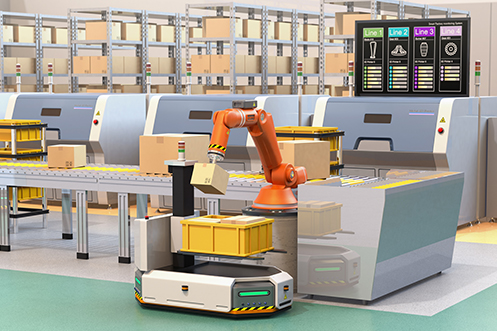
Automated guided vehicles (AGVs) are vehicles used in industrial settings to move materials or perform tasks. Computers guide these autonomous vehicles, not humans, and they derive power from a battery or electric motor. Typical applications include carrying heavy loads, towing loads across warehouse floors, and fork lifting materials or pallets.

The top 20 AGV manufacturers include several with US locations, such as:

Dematic (Atlanta, GA)

Hyster & Yale (Cleveland, OH)

JBT (Chicago, IL)

Konecranes (Springfield, OH)

Kuka Assembly and Test Corporation (Saginaw, MI)

Transbotics – A Scott Company (Charlotte, NC)

Universal Robots (Boston, MA-US HQ)

What Should Job Seekers do About the 2019 Fastest Growing Industries?

Job seekers should investigate the 2019 fastest growing industries opportunities. A number of resources are available to learn about jobs in the AGV Industry. Professional networks such as Linkedin often have helpful information on companies and contacts. Job seekers may want to focus on a specific location such as Charlotte or Cleveland, and then identify specific employers to target their job preferences. Job seekers should utilize professional career services to enhance their job search and achieve success in their career objectives.

What Should Employers in the 2019 Fastest Growing Industries do?

Employers in the 2019 fastest growing industries should examine their employment needs as economic growth fosters competition for job seekers with requisite skills and training. They should review their relocation program to determine if it benefits their talent acquisition goals and corporate objectives. Employers should work with a Relocation Management Company that has the knowledge and expertise to help them design a relocation program that promotes talent acquisition.

GMS has recently published several Industry Benchmarking Studies that will help employers in the 2019 fastest growing industries learn whether their company’s relocation program is designed following industry-specific best practices. There are many benefits to a corporate relocation policy benchmarking. For example, employers can learn how they can ensure their competitiveness in their industry to attract and retain talent with the highest level of skills and experience.

Industry best practice is to schedule a relocation program and policy review every 12 to 18 months to ensure your company maintains its competitive position. This review will also help your company learn about how the relocation industry is evolving to meet increased employee demands, especially with regard to the 2019 fastest growing industries.

Conclusion

GMS’ team of corporate relocation experts has helped thousands of our clients develop hiring and recruiting programs to attract highly skilled job seekers. Our team can help your company determine how to attract job seekers looking for employment opportunities in any of the 2019 fastest growing industries.

GMS was the first relocation company to register as a .com. The company also created the first online interactive tools and calculators, and revolutionized the entire relocation industry. GMS continues to set the industry pace as the pioneer in innovation and technology solutions with its proprietary MyRelocation™ technology platform.

Global Mobility Solutions is proud to be named and ranked #1 Overall, and #1 in Quality of Service by HRO Today’s 2019 Baker’s Dozen Customer Satisfaction Survey.

Contact our experts online to discuss your company’s recruiting, hiring, and relocation program needs as they relate to the 2019 fastest growing industries, or give us a call at 800.617.1904 or 480.922.0700 today.
Request your complimentary relocation policy review

Categories
Job Market Job Seekers Labor Force

What are the Fastest Growing Jobs in Oregon?

What are the fastest growing jobs in Oregon? Savvy job seekers gravitate to regions that have positive economic growth. Oregon’s overall economy is the 5th best in the nation according to US News and World Report’s Best States Rankings.

Oregon also scores favorably in economic rankings for:

The Northwest region as a whole continues to experience high economic growth, including the state of Oregon. Oregon’s largest metropolitan areas are Portland, Eugene, and Salem. All three of these cities are considered best places to live in the state.

Fastest Growing Jobs in Oregon

Any list of the fastest growing jobs is subject to change, depending on economic factors including international trade, agricultural calendar patterns, and manufacturing trends. However, recent studies show the fastest growth in these jobs:

Social Service Jobs

  • Translators and Interpreters

Manufacturing and Electrical Jobs

  • Industrial Machine Mechanics

Information Technology Jobs

  • Website Developers
  • Operations Analysts

Healthcare and Medical Jobs

  • Health Claims Examiners
  • Home Health Aides
  • Nurse Practitioners
  • Physical Therapists
  • Physical Therapy Aides
  • Physician Assistants

Highlight on Industries in Portland, Oregon

Portland is the largest city in Oregon by far, with over 600,000 residents in the city proper. There are nearly 2.5 million residents in the Portland metropolitan area. The city serves as a major port for the Willamette Valley region and is situated at the confluence of the Columbia and Willamette rivers. While the history of the city’s economic growth and success is due to the timber industry, transportation, and trade, Portland’s industries today include advanced manufacturing (high value-added materials manufacturing), business services, and technology.

Major Employers in Portland, Oregon

With Portland’s metropolitan area, the major employers include several globally known names across a wide range of industries, including:

  • Adidas
  • Boeing
  • Daimler
  • Genentech
  • IBM
  • Intel
  • International Paper
  • Nike
  • Pella
  • Xerox

Largest Industries in Portland, Oregon

The largest industries in Portland include:

  • Athletic Apparel
  • Healthcare
  • Manufacturing
  • Technology

What Should Job Seekers do?

Job seekers should investigate the fastest growing jobs in Oregon for opportunities. A number of resources are available to learn about jobs and careers in Portland. Professional networks such as Linkedin often provide a wealth of information on companies and contacts. Job seekers may want to focus on a specific location such as Portland or Eugene, and then narrow down their search by industry in Portland or industry in Eugene to specific job type. Job seekers should utilize professional career services to enhance their job search and achieve success in their career objectives.

What Should Employers in Oregon do?

Employers in Oregon should examine their employment needs as economic growth fosters competition for job seekers with requisite skills and training. They should review their relocation program to determine if it benefits their talent acquisition goals and corporate objectives. Employers should work with a Relocation Management Company that has the knowledge and expertise to help them design a relocation program that promotes global talent acquisition. Thriving locations such as Portland that also draw many visitors need job seekers to fill local employment opportunities in tourism-related and service industries.

Conclusion

GMS’ team of global relocation experts has helped thousands of our clients develop hiring and recruiting programs to attract highly skilled job seekers. Our team can help your company determine how to attract job seekers looking for employment opportunities in Oregon, or any other location around the world.

GMS was the first relocation company to register as a .com. The company also created the first online interactive tools and calculators, and revolutionized the entire relocation industry. GMS continues to set the industry pace as the pioneer in innovation and technology solutions with its proprietary MyRelocation™ technology platform.

Global Mobility Solutions is proud to be named and ranked #1 Overall, and #1 in Quality of Service by HRO Today’s 2019 Baker’s Dozen Customer Satisfaction Survey.

Contact our experts online to discuss your company’s recruiting, hiring, and relocation program needs in Oregon, or give us a call at 800.617.1904 or 480.922.0700 today.

Request your complimentary relocation policy review

Categories
Global Relocation Global Relocation Tips Global Relocation Trends Job Market Job Seekers Talent Mobility Visas and International Travel

Singapore Tech Talent Demand Exceeds Supply

The demand for Singapore tech talent is far exceeding the supply of workers. Singapore has been increasing its focus on growing this sector of its economy. Singapore is recognized as an excellent location for business startups and tech companies. The nation desires to become a hub for the global tech sector. Several tech companies are currently located in Singapore, including major global companies such as:

Singapore Tech Talent Grows with Tech@SG Plan

Tech@SG is a new plan to help companies hire foreign national employees to expand their Singapore tech talent. The plan is for companies with the commitment and ability to build local workforces and manufacture products in Singapore. Qualifying technology firms will have the Employment Pass applications of “core team members” facilitated by the government. To participate in Tech@SG, tech companies must meet the following requirements:

  1. Secured over US$10 Million in cumulative venture capital funding
  2. Received funding from Tech@SG-recognized venture capital in the past 3 years
  3. Be incorporated in Singapore
  4. Offer digital or technology products
  5. Have a business model built around proprietary technologies, hardware, or research

Current Economic Weakness Propels Singapore Tech Talent Demand

Singapore has cut its 2019 economic growth forecast range for Gross Domestic Product (GDP). Previous forecasts ranged from 1.5% to 2.5% for GDP growth. As of August, this forecast is now 0% to 1% for GDP growth. Many factors are negatively impacting the nation’s potential for growth, including:

  • Brexit uncertainty depressing economic activity
  • China’s slower economic growth
  • Japan and Korean trade disputes
  • United States and China escalating tariffs on trade

Trade Minister Chan Chun Sing supports the push to develop Singapore tech talent, even as economic growth forecasts begin to decline. He noted that growing the nation’s tech sector is a positive response to Singapore’s economic uncertainties. The goal is to create a foundation for future economic growth. Foreign workers will complement the local Singaporean workforce with new and updated skills. Welcoming foreign national talent with high levels of digital, tech, and engineering skills is critical to Singapore’s long-term success.

What Does This Mean?

Singapore is actively seeking foreign national workers with high levels of skills. Singapore tech talent is seen by the nation as critical to its future economic growth. Many global tech firms maintain facilities in Singapore, and the nation is looking to leverage this presence to cement its position as a global hub for technology companies and technological innovation.

What Should Employers do About Singapore Tech Talent?

Employers currently in Singapore should continue to stay informed about the nation’s increasing push to welcome foreign workers with plans such as Tech@SG. They should expect to see an increase in the number of foreign workers as companies seek to capitalize on Singapore’s investments in growing the tech sector.

Employers should be prepared to apply for Tech@SG and fulfill all of the program requirements.

Employers not currently in Singapore might consider the country as a strategic location for corporate expansion. The services of an International Professional Employer Organization (PEO) may be useful to help an employer enter Singapore and quickly test the local market.

Work with a Qualified and Experienced Relocation Management Company

Employers looking to transfer workers to Singapore or hire new foreign workers should also provide as much information about the country as possible. They should work with a qualified and experienced Relocation Management Company (RMC) that can provide a wealth of valuable resources to assist relocating employees and their family members. RMCs have experience with overcoming challenges in relocation programs. They also have knowledge about the challenges that relocating employees face with their move to a new location.

Destination spotlights that highlight many aspects of Singapore are helpful resources to share with transferees during their pre-decision process. Video destination spotlights are excellent resources to visually show employees and their family members their new location.

Conclusion

GMS’ team of global relocation experts has helped thousands of our clients understand how to grow their company’s international employment. Our team can also help your company understand how to respond to Singapore’s new Tech@SG plan. We can also help your company understand the importance of leveraging Singapore tech talent for future economic growth.

GMS was the first relocation company to register as a .com, created the first online interactive tools and calculators, and revolutionized the entire relocation industry. GMS continues to set the industry pace as the pioneer in innovation and technology solutions with its proprietary MyRelocation™ technology platform.

Global Mobility Solutions is proud to be named and ranked #1 Overall, and #1 in Quality of Service by HRO Today’s 2019 Baker’s Dozen Customer Satisfaction Survey.

Contact our experts online to discuss your company’s interest in learning more about how to grow with Singapore tech talent and the nation’s focus on the tech sector, or give us a call at 800.617.1904 or 480.922.0700 today.

Request your complimentary Visa Program Assessment

Categories
Job Market Job Seekers Labor Force Talent Mobility

Manufacturing Industry Opportunities for Gen Z Job Seekers

Generation Z (Gen Z) job seekers should consider manufacturing industry opportunities in their search. This industry is facing a growing wave of retirements in its current workforce. Currently, manufacturing is experiencing significant growth, adding over 264,000 new jobs in 2018. Also, manufacturing rose as a percentage of the US total workforce over the past year. With job opportunities rising and companies positioning for growth, the manufacturing industry offers significant advantages for Gen Z job seekers.

Gen Z employees are those born between the mid-1990s through the 2010s. They exhibit different characteristics than other groups such as Baby Boomers and Millennials. Often, Gen Z employees are adept with newer technologies and comfortable with communication platforms. Gen Z employees are often aggressively courted by companies seeking to enter new markets.

Technology Increases Manufacturing Industry Opportunities

Industries such as finance and technology grow with use of technology. As a result, the types of jobs in these industries now offer a greater degree of flexibility, variety, and growth trajectories. The manufacturing industry has seen the same transformation as technology changes jobs, functions, and processes. Technology attracts job seekers, as it provides a high level of learning experiences and opportunities for global mobility.

Fourth Industrial Revolution

The “Fourth Industrial Revolution” reflects the rate of change, breadth across industries, and impact on technology systems of a digital transformation that is changing jobs and work processes. This revolution is a melding of new technologies across a variety of interacting elements including physical, digital, biological, and conceptual. The manufacturing industry is rapidly evolving due to enhancements including:

The Internet of Things Generates Even More Manufacturing Industry Opportunities

New jobs that require skills applicable to the digital revolution’s requirements will provide a number of opportunities for Gen Z job seekers. For example, IOT generates a significant amount of data. Gen Z job seekers may have skills that can turn this data into actionable information.

Using networks, devices, and data, Gen Z workers can add value to help manufacturers understand the value of what all this data collection provides. Improvements in quality and efficiency can be quickly and easily attained with IOT, but there is much more IOT can do. Businesses can utilize IOT data to personalize their customer’s experiences. As a result, customer satisfaction may increase, and customer loyalty to the company should rise.

What Should Employers do to Highlight Manufacturing Industry Opportunities?

Manufacturing industry employers should continue communication and outreach efforts to schools, counselors, and job creation networks. By working to highlight opportunities in their industry, manufacturers can generate interest from Gen Z job seekers.

Gen Z job seekers are already more likely to consider manufacturing industry opportunities. Part of this awareness is the result of concerted efforts by manufacturers to engage with teachers, mentors, and school counselors. These efforts have led to over a third of Gen Z having had manufacturing suggested to them as a career option.

Leading2Lean’s Manufacturing Index study notes that Advanced Manufacturing jobs exhibit several desirable employment characteristics, including:

  • Strong Focus on Careers and Leadership Development
  • Requires use of Advanced Technologies
  • Offers Higher Wages than Other Industries
  • Provides Diverse Work Experiences
  • Promotes Continual Change and Evolution
  • Requires Technological Training

Leverage Relocation Programs for Manufacturing Industry Opportunities

Manufacturing industry employers that continue to find difficulties in hiring and recruiting should consider highlighting their relocation program’s benefits in their recruiting materials for Gen Z job seekers. In our Case Study on Manufacturing Industry Relocation Programs, we show how a large manufacturing company with multiple locations was able to improve their talent acquisition and retention. The company’s relocation program features and benefits were put in the best light and to the client’s best advantage during the hiring and negotiation process.

By comparison, the healthcare industry has been facing a critical talent shortage for several years. Healthcare employers have responded in several ways, including:

  • Providing Superior Candidate Experiences
  • Using Data to Enhance Their Recruiting Efforts
  • Recruiting for Cultural Fit
  • Creating an Industry-Leading Employer Brand
  • Speeding the Process so Candidates Remain Engaged

Relocation Management Companies (RMCs) are ideal sources for information on global candidate recruitment and relocation. Pre-Decision Services are critical for manufacturing industry employers as they provide valuable information about a candidate’s ability to accept a position and be successful. Pre-Hire Assessment data can be paired with structured interview questions to better understand the Gen Z candidate’s interests, goals, and motivations.

Conclusion

GMS’ team of global relocation experts has helped thousands of our clients understand how to design programs that promote talent acquisition and retention. Our team can help your company learn how to leverage manufacturing industry opportunities to help increase Gen Z employment in your workforce.

GMS was the first relocation company to register as a .com, created the first online interactive tools and calculators, and revolutionized the entire relocation industry. GMS continues to set the industry pace as the pioneer in innovation and technology solutions with its proprietary MyRelocation™ technology platform.

Global Mobility Solutions is proud to be named and ranked #1 Overall, and #1 in Quality of Service by HRO Today’s 2019 Baker’s Dozen Customer Satisfaction Survey.

Contact our experts online to discuss your company’s interest in leveraging manufacturing industry opportunities for Gen Z job seekers, or give us a call at 800.617.1904 or 480.922.0700 today.

Request your complimentary relocation policy review

Categories
Domestic Relocation Domestic Relocation Challenges Domestic Relocation Tips Domestic Relocation Trends Job Market Job Seekers Labor Force Talent Mobility

What are the Fastest Growing Jobs in Alabama?

What are the fastest growing jobs in Alabama? Alabama currently has nearly 5 million residents. The state is located in the deep south of the United States, along the Gulf Coast. Mississippi is located to the west, Tennessee is located to the north, and Georgia is located to the east. The state of Florida forms the southern border of Alabama, except for the area surrounding the harbor city of Mobile, situated on the Mobile River at the head of Mobile Bay.

The five largest cities in Alabama along with their major industries are:

Birmingham, Alabama

  • Major Industries

    • Steel Production and Processing
    • Biotechnology
    • Medical Research
    • Banking
    • Insurance
    • Construction

Montgomery, Alabama

  • Major Industries

    • State Capital
    • Government Agencies and Services
    • Military (Maxwell-Gunter Air Force Base)
    • Agriculture
    • Distribution
    • Manufacturing

Mobile, Alabama

  • Major Industries

    • Aerospace
    • Steel
    • Ship Building
    • Construction
    • Medical and Healthcare
    • Manufacturing

Huntsville, Alabama

  • Major Industries

    • Aerospace
    • Military Technology
    • Education
    • Information Technology Infrastructure
    • Commercial Technology

Tuscaloosa, Alabama

  • Major Industries

    • Education
    • Manufacturing
    • Government Agencies
    • Transportation
    • Healthcare

The Southeast region as a whole continues to experience high economic growth, including the state of Alabama. Each of Alabama’s five largest cities are considered best places to live in the state.

Fastest Growing Jobs in Alabama

Any list of the fastest growing jobs is subject to change, depending on economic factors including industrial production, global trade, and even weather patterns. However, recent studies show the fastest growth in these jobs:

Manufacturing and Electrical Jobs

  • Aircraft Assemblers
  • Computer Numerical Controller Machinists

Information Technology Jobs

  • Website Developers

Healthcare and Medical Jobs

  • Emergency Medical Technicians
  • Home Health Aides
  • Nurse Practitioners
  • Occupational Therapists
  • Personal Care Assistants
  • Physical Therapists
  • Physical Therapist Assistants

Highlight on Industries in Huntsville, Alabama

Huntsville is nicknamed “The Rocket City” and for good reason: it has a close association with U.S. space missions. NASA’s George C. Marshall Space Flight Center (MSFC) is located in the city. MSFC developed the Saturn boosters that were used during the Apollo Lunar Landing Program.

Huntsville is home to Cummings Research Park (CRP), the second-largest Technology and Research Park in the nation. It also ranks among the top 25 most educated cities in the nation. The University of Alabama in Huntsville is a center for technology, science, and engineering research.

Huntsville has one of the fastest growing and most dynamic economies in the state. Over the next several years, major development projects will bring another 6,000 jobs to Huntsville and north Alabama. Huntsville’s future job growth is projected to be 40.9% over the next 10 years, running higher than the national average of 33.5%.

What Should Job Seekers do?

Job seekers should investigate the fastest growing jobs in Alabama for opportunities. A number of resources are available to learn about jobs and careers in Alabama. Professional networks such as Linkedin provide information on companies and contacts. Job seekers may want to focus on a specific location such as Huntsville, and then narrow down their search by industry in Huntsville to specific job type. Job seekers should utilize professional career services to enhance their job search and achieve success in their career objectives.

What Should Employers do?

Employers should examine their employment needs as economic growth fosters competition for job seekers with requisite skills and training. They should review their relocation program to determine if it benefits their talent acquisition goals and corporate objectives. Employers should work with a Relocation Management Company that possesses the knowledge and expertise to help them design a relocation that promotes global talent acquisition. Desirable locations such as Huntsville that draw many visitors also need job seekers to fill local employment opportunities in other industries.

Conclusion

GMS’ team of global relocation experts has helped thousands of our clients develop hiring and recruiting programs to attract highly skilled job seekers. Our team can help your company determine how to attract job seekers looking for employment opportunities in Alabama, or any other location around the world.

GMS was the first relocation company to register as a .com. The company also created the first online interactive tools and calculators, and revolutionized the entire relocation industry. GMS continues to set the industry pace as the pioneer in innovation and technology solutions with its proprietary MyRelocation™ technology platform.

Global Mobility Solutions is proud to be named and ranked #1 Overall, and #1 in Quality of Service by HRO Today’s 2019 Baker’s Dozen Customer Satisfaction Survey.

Contact our experts online to discuss your company’s recruiting, hiring, and relocation program needs in Alabama, or give us a call at 800.617.1904 or 480.922.0700 today.

Request your complimentary relocation policy review

Categories
Global Mobility Global Relocation Trends Immigration Rules Job Market Job Seekers Labor Force Talent Management Talent Mobility Visas and International Travel

Toronto Tech Talent Ranking Rises to Third Spot

CBRE’s annual “Scoring Tech Talent Report” shows Toronto tech talent ranks at #3 in the top fifty U.S. and Canadian cities for tech workers. The report measures cities based on several criteria, including:

  1. Job Growth
  2. Supply of Talent
  3. Tech Degrees Awarded to Graduates

CBRE is a worldwide leader in real estate services that traces its roots to San Francisco, California, in the year 1906. Over time, the company formed CB Commercial, acquired REI Limited (the international division of Richard Ellis), and continued growing to become CB Richard Ellis, also known as CBRE. CBRE Group, Inc. is the largest commercial real estate services company and investment firm in the world.

Growth in Toronto Tech Talent

Over the past five years, Toronto tech talent rose at the fastest rate of all cites in the ranking. The report notes that 80,100 new tech jobs have been created in Toronto, indicating a 54% rate of increase. The top six tech companies in Toronto are:

  1. Ecobee
  2. Top Hat
  3. Shopify
  4. Ubisoft
  5. Cisco
  6. Oracle

Highlight on Toronto Tech Talent at Ecobee

Ecobee was founded in 2007 and has become a market leader in home automation. Products include smart thermostats that conserve energy and help customers reduce their heating and cooling bills. This market is expected to experience a Compound Annual Growth Rate (CAGR) of 23.1% for the time period 2019-2024.

As a result, the market growth rate will increase demand for Ecobee’s products, in turn creating greater demand for Toronto tech talent. Ecobee currently lists several career opportunities in fields such as product technology, software development, engineering, account management, and technical support. Ecobee products interact with other smart home products such as Amazon’s Alexa. In order to interact with Alexa, Ecobee developers must learn how to connect with the service, or integrate it directly into the company’s products such as the Ecobee4 Smart Thermostat.

Toronto Tech Talent Grows with Canada’s Global Talent Stream

One reason that Toronto tech talent has been able to grow as fast as it has is due to Canada’s Global Talent Stream. This program is part of the nation’s Global Skills Strategy, designed to help companies grow by ensuring a ready pool of qualified talent. Eligible workers can start work in Canada at a faster pace with two-week processing of work permit applications. Global Talent Stream program eligibility requirements for employers include:

Category A

  1. Referral by a Stream Designated Partner
  2. Hiring of talent noted as unique and specialized

Category B

  1. Hiring highly-skilled foreign workers for jobs noted on the Global Talent Occupations List

What Does This Mean?

Canada actively seeks to encourage immigration of highly-skilled foreign workers to the country. The nation believes its future success is highly dependent on welcoming immigrants, as well as ensuring they fully integrate into society. Ontario, where Toronto is located, also focuses on attracting skilled workers to smaller cities and towns throughout the province.

Tech industry companies benefit from the nation’s progressive immigration policies. As a result of these policies, Toronto tech talent will continue to grow. Also, a pool of qualified workers is readily available to support corporate growth initiatives.

What Should Employers do to Leverage Toronto Tech Talent?

Employers in Toronto should review their company’s growth plans and requirements for tech industry jobs. They should also review their talent acquisition and management programs. This will help ensure these programs align with a growing number of highly skilled foreign workers.

Employers outside of Toronto should investigate the services of an International PEO. Relocation Management Companies (RMCs) can provide expert assistance to employers looking to expand their corporate presence in Canada.

Conclusion

GMS’ team of global relocation experts has helped thousands of our clients develop relocation programs that attract and retain qualified employees. Our team can help your company determine how to benefit from Canada’s focus on increasing Toronto tech talent.

GMS was the first relocation company to register as a .com, created the first online interactive tools and calculators, and revolutionized the entire relocation industry. GMS continues to set the industry pace as the pioneer in innovation and technology solutions with its proprietary MyRelocation™ technology platform.

Global Mobility Solutions is proud to be named and ranked #1 Overall, and #1 in Quality of Service by HRO Today’s 2019 Baker’s Dozen Customer Satisfaction Survey.

Learn best practices from Global Mobility Solutions, the relocation industry and technology experts. Contact our experts online to discuss your company’s interest in benefiting from the growth of Toronto tech talent, or give us a call at 800.617.1904 or 480.922.0700 today.

Request your complimentary Visa Program Assessment

Categories
Employee Development Job Market Job Seekers Labor Force Talent Management Talent Mobility

How Can a Company Build an Inclusive Workforce?

Companies need to build an inclusive workforce in order to grow and meet corporate objectives. As of May 2019, there are over 7.3 million job openings in the United States. However, in June 2019, the United States Department of Labor’s Bureau of Labor Statistics reports that the official US unemployment rate is 3.7%. With so many job openings and such a low unemployment rate, companies need to look beyond traditional hiring methods to be successful.

Innovative Ways to Build an Inclusive Workforce

Building an inclusive workforce is not an insurmountable task. Often a company can be successful by expanding its use of various channels to broadcast hiring needs. Social media has risen in prominence as a strong platform for talent recruiting and acquisition.

Alternatively, a company might focus on shaping its cultural values towards an expansive view of its workforce. In turn, the company would benefit in many unique and helpful ways from the skills and experiences of various workforce populations. For example, some employees may be familiar with the countries and cultures of South America. As a result, they may contribute many helpful ideas to companies looking to expand in this region.

Top 5 Ways a Company can Build an Inclusive Workforce

1.Talent Acquisition Programs

Companies should review their talent acquisition program to ensure it is following industry best practices. In order to recruit top talent in a tight labor market, social media has become one of the most widely used platforms for recruitment. In fact, recruiting socially lets companies create an experience so people want to move to join their culture and environment. Companies that focus on creating a positive brand generate more interest among job seekers.

The Society for Human Resource Management’s survey of HR professionals also reports that over 30% of companies are working to leverage smartphones in their recruiting efforts. The divergence of desktop, laptop, tablet, and smartphone usage across regions and demographic groups is striking:

  • Europe maintains consistent use of PCs, laptops, and smartphones
  • Outside of Europe, PC and laptop use is declining
  • Asia leads in smartphone usage versus PCs
  • Tablets are more popular with older users
  • The increase in mobile-friendly applications is turning users away from PCs and consoles

2. Training and Apprenticeship Programs

Many companies have unique needs for specific skills across a variety of jobs. These companies benefit from well-defined training and development programs. Other companies may be in industries where apprenticeship programs are in place to ensure workers become qualified to perform their job, such as a nuclear plant technician.

Countries such as Australia have taken action to ensure funds are made available to train workers in skills and apprenticeships. All of these training and apprenticeship programs can be designed to promote an inclusive workforce.

3. Hire Workers Across Multiple Generations

The recent trend to hire employees with significant experience is continuing to add diversity to the workforce. To build a truly inclusive workforce, companies should examine their job outreach efforts to workers across generations. Baby Boomers in particular have been increasing both in total number of employees and as a percentage of new hires. There are several advantages for companies that hire older workers:

  • Older workers are often better educated than their younger counterparts
  • Today’s generation of older workers are much more health conscious with long life expectancy
  • They have unique insight into the market preferences of their peers
  • Mobile gaming is turning users away from PCs and consoles

4. Workers With Past Issues

Companies that expand their diversity and inclusion initiatives often see significant results. Specifically, research by McKinsey & Company has shown that:

  • Top performing companies exhibit higher diversity on executive teams
  • Diverse leadership teams help create higher financial performance
  • Higher performing companies show higher levels of diversity

Companies can focus on various levels of diversity to build an inclusive workforce. Basic diversity may include age, nationality, gender, and race. However, more expansive and deeper diversity can greatly expand a company’s talent pool. Companies that are truly in tune with their markets may find that it helps them to embrace expansive diversity, such as:

  • Lifestyles
  • Cultural Influences
  • Sexual Orientation
  • Mental/Physical Abilities

Hiring Employees with Past Issues

One additional area that might be considered is hiring employees with a criminal history. 35 US states and over 150 municipalities have enacted “ban-the-box” laws to help promote fair hiring policies. These laws require employers to consider a job candidate’s qualifications first, without consideration of any prior conviction or arrest record. These laws may help prevent discrimination against those with past issues who might otherwise be qualified for the position.

Only upon offering a position can a company inquire about a criminal history or convictions. Also, the mere presence of a record would not automatically disqualify a candidate from a job. As a result, candidates for positions that are not in any way related to their prior conviction may still be eligible for hiring, to prevent discrimination in the workplace.

It is important for companies to always focus on fair hiring practices as they build an inclusive workforce. Also, they should consult with employment law attorneys for guidance to be sure all federal, state, and local laws have been reviewed for compliance. Companies that might benefit from hiring someone with past convictions such as Martha Stewart are able to look past her criminal history and recognize the tremendous value she may be able to contribute.

5. Global Relocation

With talent shortages prevalent across several nations, competition for qualified employees may be fierce. Currently, the financial and business service industries are most at risk due to the extreme talent shortage. Companies that find it difficult to hire and recruit for positions should highlight their relocation program’s benefits in all of their recruiting materials.

The future of finding talent is through global, mobile, and technological means. In fact, employees themselves often seek positions that offer international assignment opportunities. Economic growth in places such as China, the United Arab Emirates, and Canada drives significant demand for talented workers.

What Should Employers do to Build an Inclusive Workforce?

Employers seeking to build an inclusive workforce have several avenues they can pursue. Importantly, companies should examine their culture and plans for future growth to determine how to proceed with their diversity and inclusion initiatives. Corporate expansion plans, mergers and acquisitions, and product development plans should all be considered as potential drivers for inclusive workforce development.

Companies considering relocation for new hires or transferees should review their relocation programs. This will help ensure they have a competitive advantage. Also, it will ensure their program provides the highest level of relocation benefits and services for their employees.

Conclusion

GMS’ team of global relocation experts has helped thousands of our clients develop relocation programs that attract and retain qualified employees throughout the world. Our team can help your company determine how to build an inclusive workforce by leveraging your company’s unique culture, training, and talent acquisition programs.

GMS was the first relocation company to register as a .com. The company also created the first online interactive tools and calculators, and revolutionized the entire relocation industry. GMS continues to set the industry pace as the pioneer in innovation and technology solutions with its proprietary MyRelocation® technology platform.

Global Mobility Solutions is proud to be named and ranked #1 Overall, and #1 in Quality of Service by HRO Today’s 2019 Baker’s Dozen Customer Satisfaction Survey.

New SafeRelo™ COVID-19 Knowledge Portal

GMS recently launched its new SafeRelo™ COVID-19 Knowledge Portal featuring a number of helpful resources including:

  • Curated selection of news and articles specific to managing relocation programs and issues relating to COVID-19
  • Comprehensive guide to national, international, and local online sources for current data
  • Program/Policy Evaluation (PPE) Tool for instant relocation policy reviews

Contact our experts online to discuss your company’s interest in relocation programs that build an inclusive workforce, or give us a call at 800.617.1904 or 480.922.0700 today.

Request your complimentary relocation policy review

Looking for something?